Why we dance?
Have you ever wondered why we dance? Well, I have, and I want to explore the subject with you.
BODYMINDSOUL
C. Colson
5/4/20262 min read
Why We Dance?
Movement, Memory, and
Meaning Across Time
Dance is more than movement—it is language, memory, identity, and energy made visible. Long before written words, people used their bodies.
to tell stories, celebrate life, mourn loss, and connect with something greater than themselves. To understand why we dance is to understand humanity
itself.
The Origins of Dance
Dance began as a primal form of expression. Early humans used rhythm and movement to
communicate emotions, mark rituals, and align with natural cycles like seasons, hunting, and spiritual ceremonies. In many ancient cultures— African,
Indigenous, Asian, and beyond—dance was never separate from life. It was life. Drums, clapping, stomping, and chanting
created a shared rhythm that bonded communities together. These weren’t performances for entertainment; they were acts
of survival, spirituality, and unity.
Dance in African Traditions
In African cultures, dance has always held deep spiritual and communal significance. Each movement carries meaning—honoring ancestors, celebrating
harvests, marking rites of passage, or calling on spiritual forces. Dance is often inseparable from music and storytelling.
The body becomes an instrument, and the rhythm becomes a shared heartbeat among the people.
Importantly, African dance
emphasizes:
Community over individual performance
Expression over perfection
Connection to ancestors and spirit
These traditions traveled across the Atlantic
During the transatlantic slave trade, where they
transformed under unimaginable hardship.
Dance in African American History
For African Americans, dance became both
resistance and resilience.
Enslaved Africans were stripped of language,
names, and homeland—but they held onto
rhythm. Through dance, they preserved their identity.
they passed down cultural memory. Even when drums were banned. They created rhythm with
their bodies—clapping, stomping, and patting juba.
Over time, this evolved into A powerful cultural practice
expression:
Spirituals and ring shouts in the fields
Jazz dance during the Harlem Renaissance
Hip-hop in the Bronx as a voice for the marginalized
youth
Stepping, krumping, and street dance as forms
of storytelling and release
Dance became a way to reclaim power, express
struggle and celebrate joy despite adversity.
Dance and Youth Culture
For young people, especially in urban
communities, dance is often a first language of
identity.
It offers:
A safe outlet for emotions and stress
A way to belong and build community
A platform for creativity without needing
expensive tools
A voice when words fall short
From TikTok trends to street cyphers, youth
continue to reinvent dance, blending global
influences while staying rooted in cultural
expression. Dance becomes a bridge between
generations—honoring the past while shaping
the future.
Dance as Energy and Connection
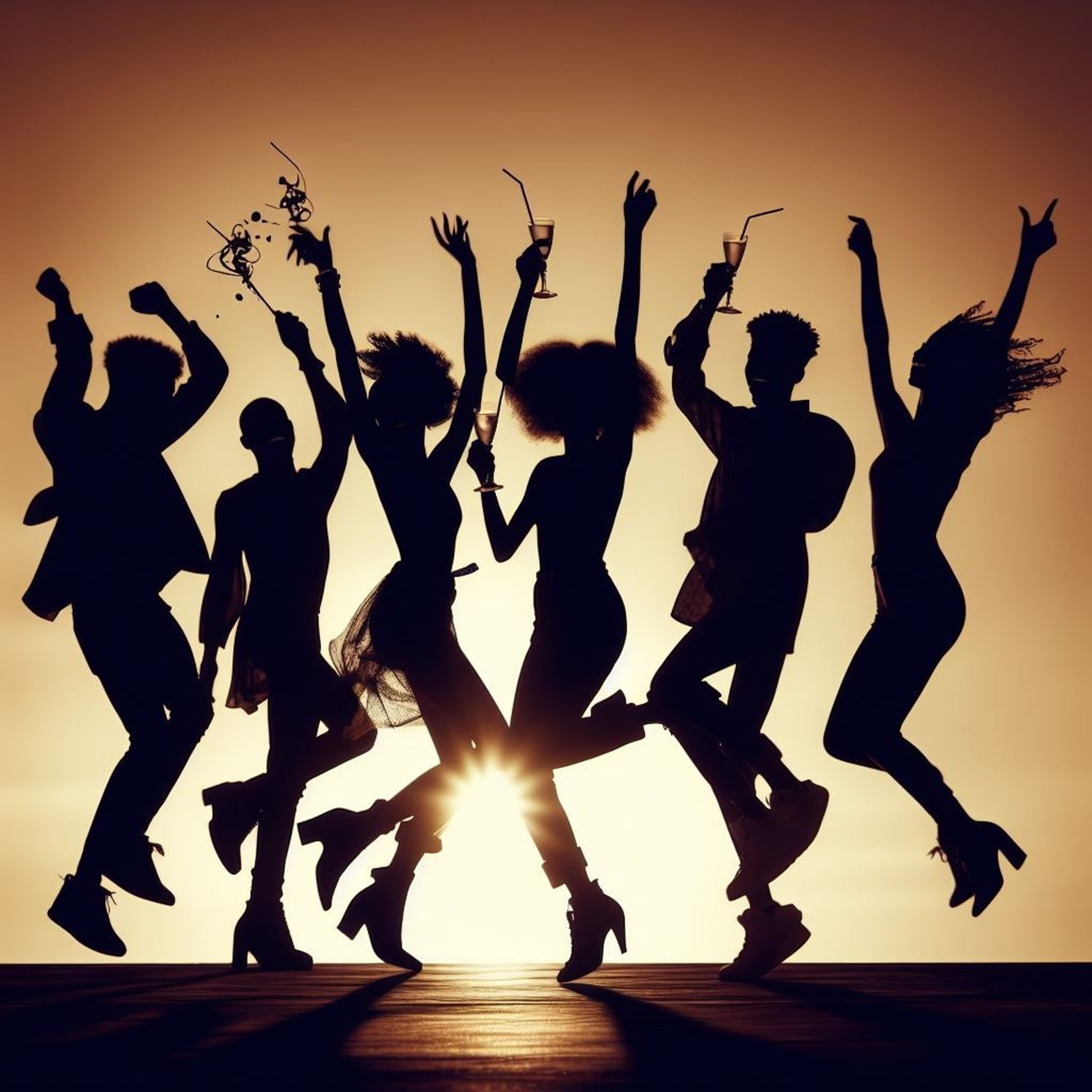
At its core, dance is energy in motion.
When people dance together, something
powerful happens. There’s a synchronization—
heartbeats align, emotions lift, and barriers fall.
This is why dance is present in celebrations,
protests, ceremonies, and even healing practices.
It connects:
Body to mind
Individual to community
Past to present
Culture to culture
Different Origins, One Language
Every culture has its own dance traditions:
Ballet from European courts, emphasizing form
and discipline
Flamenco from Spain, expressing passion and
struggle
Indigenous dances rooted in nature and
spirituality
Latin dances like salsa and samba, celebrating
rhythm and partnership
Hip-hop as a global movement born from
African American and Latino communities
Though the styles differ, the purpose is shared:
to express what cannot be said.
Why We Dance
We dance to remember.
We dance to release.
We dance to connect.
We dance because something inside us refuses
to stay still.
Dance is one of the few universal languages that transcends race, age, and geography.
It tells stories that words cannot capture and carries history that books sometimes forget.
And in every step, spin, and rhythm—there is a piece of who we are.