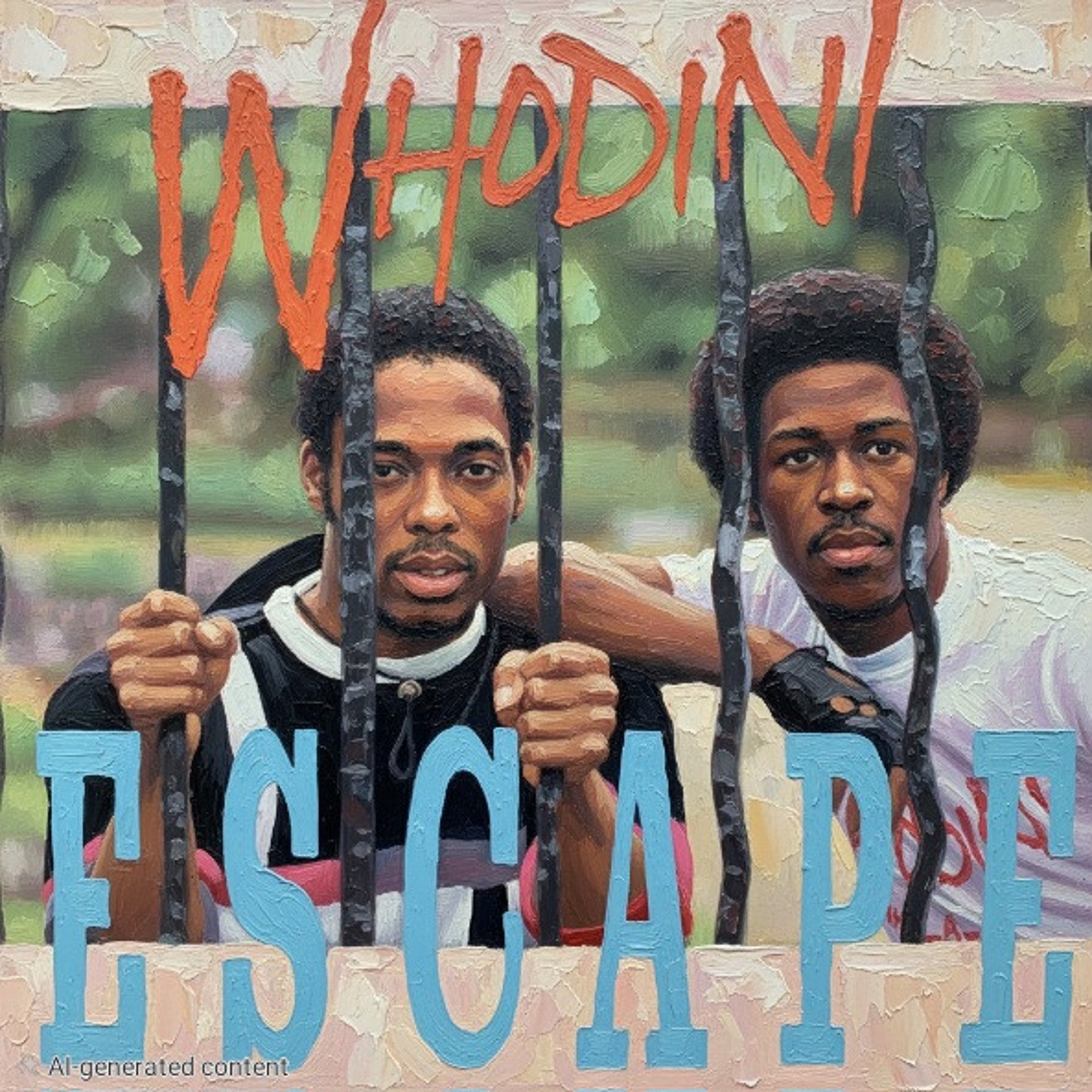
Whodini: The Blueprint Before the Spotlight
To honor the contributions of the pivotal rap group Whodini.
HIP HOP CULTUREHISTORY
C.Colson
5/17/20263 min read
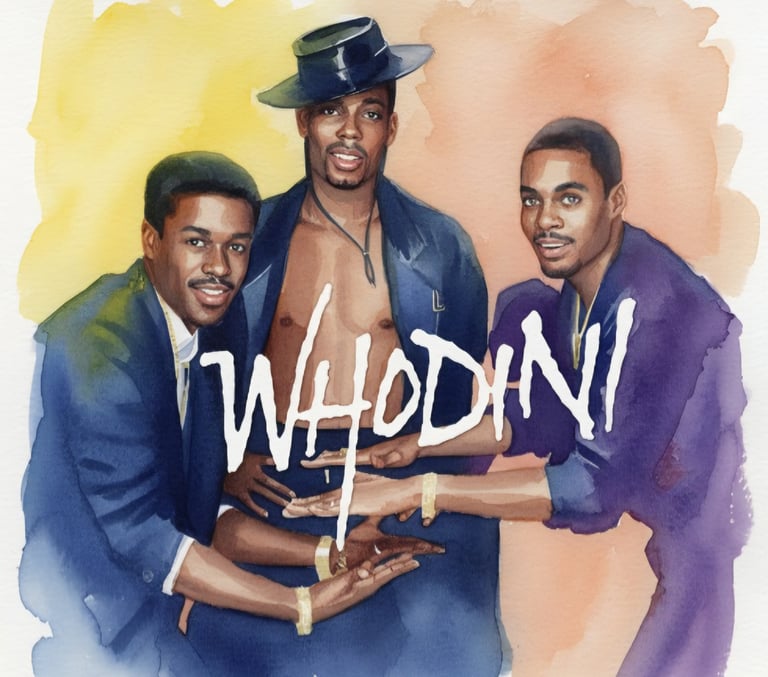
Whodini: The Blueprint Before the Spotlight
Before hip-hop became a global industry, before streaming numbers and viral fame, there were architects building the culture from the ground up. Whodini is one of those foundational groups—and one of the most overlooked.
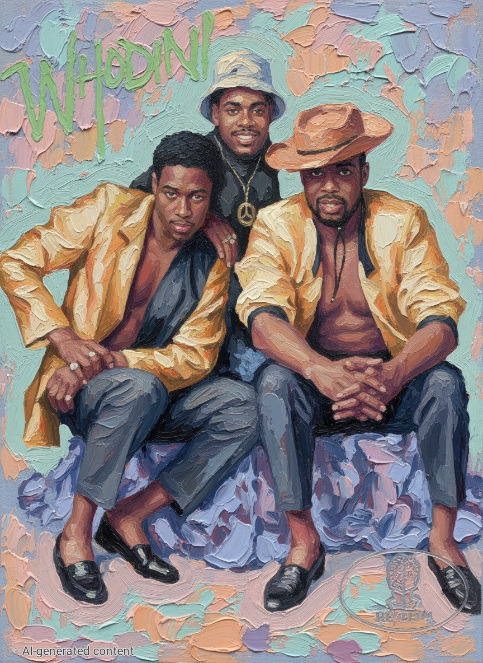
Formed in Brooklyn, New York in the early 1980s, Whodini—Jalil Hutchins, John “Ecstasy” Fletcher, and producer Larry Smith—helped define what hip-hop could become. At a time when the genre was still raw and evolving, they introduced a level of polish, musicality, and storytelling that pushed rap into new territory.
They weren’t just participating in hip-hop. They were shaping its future.
A Sound That Expanded Hip-Hop
Whodini’s music stood apart because it blended rap with R&B, funk, and electronic elements. While many early hip-hop tracks focused on party energy, Whodini brought emotion and structure into the mix.Songs like “Friends” and “One Love” explored trust, relationships, and loyalty—topics that gave hip-hop a deeper, more relatable voice. “Friends,” especially, became a timeless anthem about betrayal and authenticity, themes that still dominate modern music. They helped prove that hip-hop could be both entertaining and meaningful without losing its rhythm.
Style, Branding, and Identity
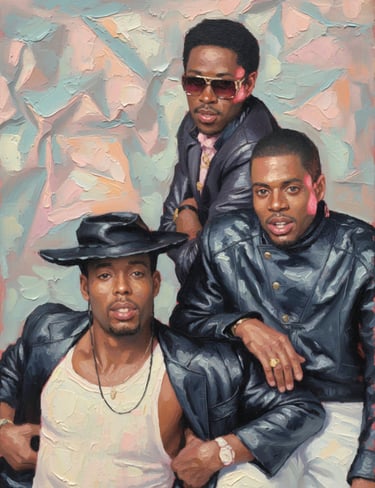
Long before social media branding, Whodini understood the power of image.Ecstasy’s iconic Zorro-style hat and the group’s coordinated look made them instantly recognizable. They approached hip-hop not just as music, but as a full cultural presentation. That sense of identity set the stage for future artists who would build entire brands around their image. Today’s emphasis on visuals, fashion, and persona in hip-hop can be traced back to early innovators like Whodini.
The Sound of Innovation
Producer Larry Smith played a crucial role in shaping Whodini’s signature sound. By incorporating drum machines and synthesizers, he helped define the electro-rap era of the 1980s. This fusion created a polished, futuristic feel that separated Whodini from their peers. It also showed how essential production would become in hip-hop’s evolution. Their music wasn’t just heard—it was crafted.
Taking Hip-Hop on the Road
Whodini was also instrumental in bringing hip-hop to larger audiences through touring. As part of the Fresh Fest tours, they performed alongside acts like Run-D.M.C. and LL Cool J, helping prove that rap could draw massive crowds. These tours were a turning point. They helped transform hip-hop from a local movement into a national—and eventually global—force. Whodini was right there at the center of that shift.
A Legacy That Still Lives On
You can still hear Whodini’s influence today. The blend of melody and rap, the focus on real-life themes, and the importance of production are all staples of modern hip-hop and R&B. Artists who sing and rap, who explore relationships and personal struggles, are building on a blueprint Whodini helped create decades ago. Yet despite all of this, they’re often missing from mainstream conversations about hip-hop’s greatest pioneers. That needs to change.
Giving Whodini Their Flowers
Whodini isn’t just a nostalgic name from hip-hop’s early days—they’re a cornerstone of the culture. They helped expand the sound, elevate the image, and push the genre forward when it mattered most. Recognizing their contribution isn’t just about respect—it’s about understanding hip-hop history in its full context. If we’re going to talk about the evolution of hip-hop, Whodini deserves to be part of that conversation. Not as an afterthought—but as a foundation._-
social Media
SOCIAL MEDIA
© 2026. All rights reserved. SEEDBANK369
Instagram-YouTube-Blue Sky
SEEDBANK 369 POLICY INFO