What’s in a Name? (Your daddy named you Curt)
Answering the question for the last time or the first time.
SOULBODYMINDHISTORYEDUCATION
C. Colson
6/15/20267 min read
What’s in a Name? (Your daddy named you Curt)
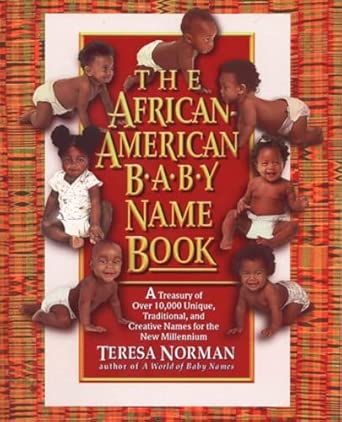
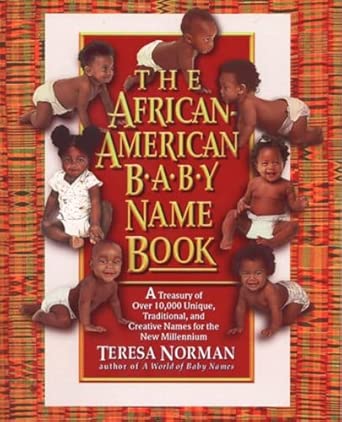
Names are more than words. They carry memories. They carry lineage. They carry the weight of generations, the hopes of parents, the scars of history, and sometimes, the quiet rebellion of a person choosing who they will be. When someone asks, “What’s your name?” they’re not just asking for a label. They’re asking for a story. And for many of us—especially African Americans—that story is complicated.
The Name I Was Given
(The name of a strong resilient people)
My family name is Colson. It’s a name that doesn’t belong to me in the way a name should belong. It’s a vestige of slavery and yet it is an indicator of resilence. For generations, when enslaved people were freed, they often took the names of their former enslavers—either because they had no other surname to claim, because they were forced into it, or because documentation tied them to that name. Sometimes they kept those names silently, as a way to survive. Sometimes they carried them forward without ever truly understanding why.
Colson is one of those names. It’s not a name that connects me to my African ancestry. It doesn’t trace a lineage back to a village, a tribe, or a family that chose it with pride. Instead, it’s a reminder of a time when people were stripped of their original names, their identities, and their right to define themselves. When I was born, I inherited Curtis Colson. That name was given to me, not chosen. And for a young man trying to understand who he was, that dissonance was heavy.
What Names Mean to an Individual and a Family
To understand why this matters, we have to ask: what do names really mean to an individual or a family?
A name can be a promise. Parents name children after relatives they love, after heroes they admire, or after qualities they hope their child will embody. A name can be a bridge to the past. It can carry a grandmother’s strength, a father’s resilience, or a culture’s history. In many African traditions, names are not just labels—they are declarations. They tell you where you come from, what your family values, and sometimes even what your life’s purpose might be.
But for African Americans, that bridge is often broken. Slavery tore families apart. It erased names. It cut off lineage. Many of us don’t know our ancestors’ original names. We don’t know their villages. We don’t know the stories that would connect us to the soil of Africa. Instead, we carry names that were imposed on us—names that remind us of a system that treated people as property. That’s the dissonance I felt. The name Colson didn’t tell me who I was. It told me what someone else decided I should be.
The Weight of Inheriting a Slavery Name
When I was young, I didn’t know how to handle the conversation. People would ask, “What’s wrong with the name you were given?” or “Why didn’t you change your name legally?” Those questions cut deep because they assumed there was something simple about it. But it wasn’t simple.
There was a part of me that wanted to reject Colson entirely. I wanted to be free of a name that carried the shadow of slavery. I wanted a name that connected me to something older, something stronger, something that felt like me. But I also knew that changing my name legally wasn’t just about personal freedom. It was about respect.
The people who came to wear the name Colson before me—my grandparents, my parents, their parents—they carried it with diligence and strength. They survived. They built families. They held on to identity even when the world tried to erase it. To legally change my name would feel like abandoning them. It would feel like saying their struggle didn’t matter. So I kept Curtis Colson. I inherited it. And I honored it, even when it hurt.
Choosing the Name Umar
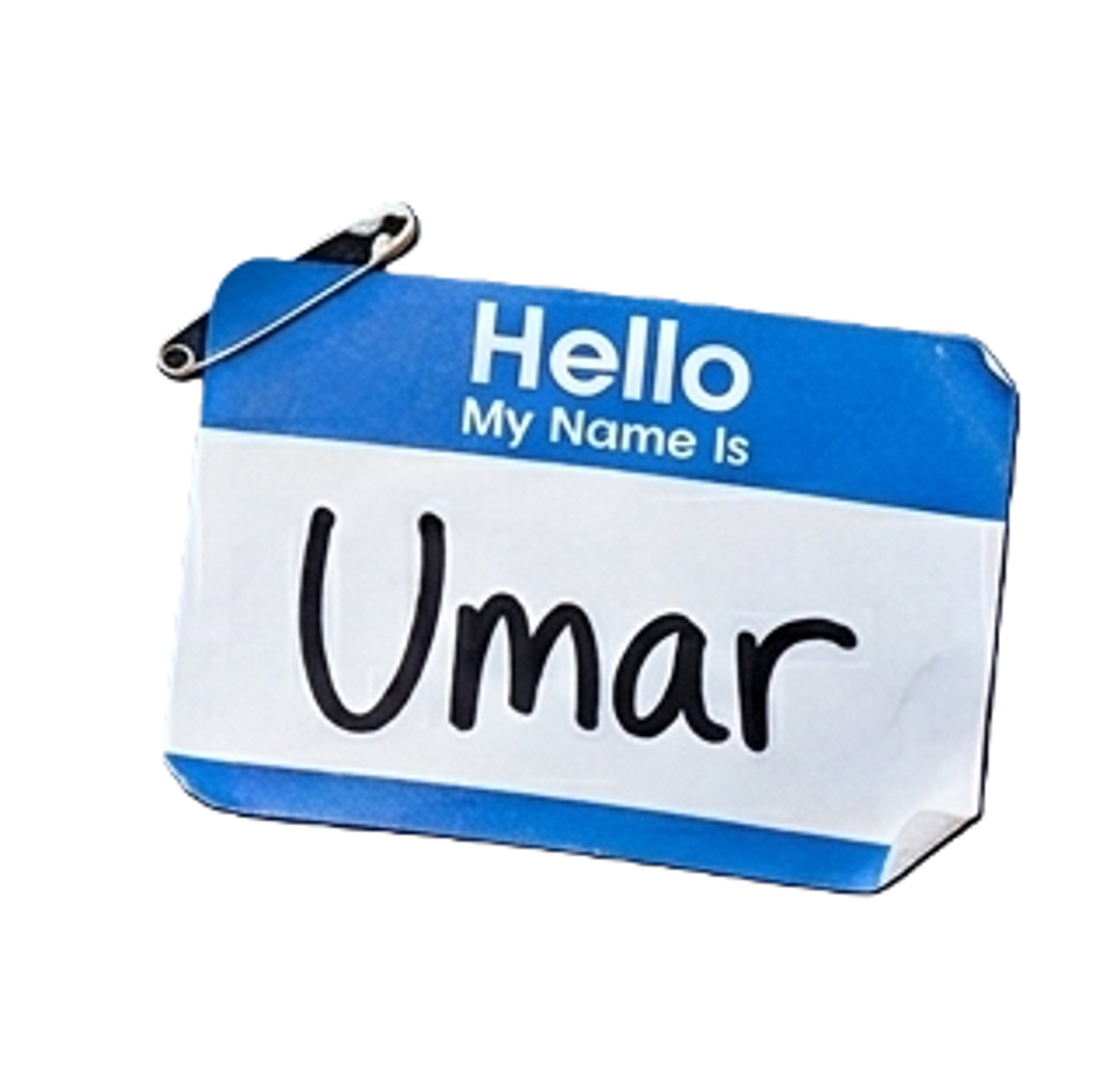
But there was another name I chose for myself. A name that wasn’t legal, but was real. A name that meant freedom. I chose Umar. I chose it after a man who was enslaved but never forgot where he came from: Umar ibn Said (also written as Umar Ibin Syeed), an enslaved Muslim scholar from West Africa who ended up in North Carolina.
Umar ibn Said was born around 1770 in Futa Toro, in what is now Senegal. He was educated—a Muslim scholar who studied mathematics, astronomy, business, and theology. In 1807, he was captured during a military conflict, enslaved, and transported across the Atlantic to the United States. He escaped from a cruel enslaver in Charleston, South Carolina, and journeyed to Fayetteville, North Carolina. There, he was recaptured, jailed, and later sold to James Owen, a planter on the Cape Fear River.
Even in slavery, Umar never forgot his identity. He wrote fourteen manuscripts in Arabic, including the only known Arabic autobiography by a person enslaved in the United States. He wrote under the name Omar ibn Said, but he was also known as “Uncle Moreau” and “Prince Omeroh” among the people around him. He lived into his mid-nineties and remained enslaved until his death in 1864. He was buried in Bladen County, North Carolina.
What struck me about Umar was that he never let slavery erase him. He kept his name. He kept his faith. He kept his memory of home. Even when the world tried to rename him, he remained Umar.
That’s the kind of freedom I wanted as a young man. I wanted to be someone who never forgot where I came from, even when the world cut me off from my lineage. I wanted a name that carried strength, memory, and purpose. So, I chose Umar.
Why I Didn’t Change My Name legally?
People still ask me: “Why didn’t you change your name legally?”
The answer is simple: respect.
I didn’t change my name legally because I respected the people who carried Colson before me. I respected their diligence. I respected their strength. I respected the fact that they survived a system that tried to erase them, and they still held on to a name—even if it was a name imposed on them.
Changing my name legally would feel like rejecting them. It would feel like saying their struggle didn’t matter. But choosing the name Umar for myself wasn’t rejection. It was addition. It was claiming a name that represented freedom, memory, and identity—without abandoning the name I inherited.
I reconciled this tension years ago. I realized I could carry both. I could be Umar Bari and still inherit Curtis Colson. I could honor the past while choosing the future.
Umar Bari
The name I chose has significance beyond this post. It has meaning deeper than I have time to express.
I chose Umar Bari.
“Bari” is a name that carries its own weight. In some African traditions, it means “great” or “powerful.” In others, it’s connected to the idea of sovereignty or leadership. Combined with Umar, it becomes a declaration: Umar, the great one. Umar, the powerful one. Umar, the one who never forgets.
When I say “Umar Bari,” I’m not just saying a name. I’m saying a promise. I’m saying I will not forget where I came from. I will not let slavery erase me. I will carry memory. I will carry freedom. I will carry identity.
And when I say “Curtis Colson,” I’m honoring the people who came before me. I’m honoring their survival. I’m honoring their strength. I’m honoring the fact that they carried a name that wasn’t theirs by choice, but they made it theirs by resilience.
If You Love Me, Then You Already Know
There’s a phrase I keep close: “If you love me, then you already know.”
It’s a reminder that identity isn’t just about labels. It’s about connection. It’s about knowing someone’s story. It’s about understanding why they carry certain names, why they choose certain names, and what those names mean to them.
By the way, I answer to both because I love you back. I am not offended at all.
When you know my story, you understand why I carry both names. You understand why I didn’t change my name legally. You understand why I chose Umar. You understand the dissonance of being an American of African descent who is cut off from their lineage. You understand the weight of inheriting a name like Colson. And you understand the freedom of choosing a name like Umar Bari.
What’s in a Name?
So what’s in a name?
For me, it’s everything.
It’s the pain of slavery. It’s the strength of survival. It’s the memory of ancestors I never met. It's victory over victimization. It’s the promise of a future I’m still building. It’s the tension between who I was given and who I chose. It’s the freedom to be both.
A name is the longest story.
A name is a well built bridge.
A name is a blood promise.
A name is the truest freedom.
And for me, the name Umar Bari and the name Curtis Colson are both true. They both belong to me. They both tell my story. That's just my Father's side of the family not even including my Seminole Indian ancestry. My Mother's roots are amazing as well. I will revisit that story someday soon. If you love me, then you already know.
SeedBank369
Historical Notes (for context):
- Omar ibn Said (also written as Umar ibn Sayyid or Umar Ibin Syeed) was a Fula Muslim scholar from Futa Toro in West Africa (present-day Senegal), enslaved and brought to the United States in 1807. He remained enslaved until his death in 1864 and wrote the only known Arabic autobiography by a person enslaved in the United States [1][2].
- During chattel slavery, enslaved Black people were often legally nameless until purchased, and many were renamed by enslavers with Biblical, classical, or owner-imposed names. After emancipation, some freed people took the surnames of former enslavers, while others chose different names entirely [3][4].
- Distinctively Black American naming practices originated during enslavement and became a unique cultural practice that connected people to identity, even when original African names were erased [5].
The name Colson comes from England, with roots in both Old English and medieval patronymic naming traditions. It literally means “son of cole
| Primary origin
| English (Anglo-Saxon England) [1][3] |
|Meaning
| “Son of Cole” — where Cole derives from Old English cola, meaning charcoal or coal-black [2][3]
Alternative meaning
| “Son of Nicholas” (since Cole was a pet form of Nicholas, from Greek Nikolaos = “victory of the people”) [2][4][6]
|Gaelic/Irish connection
Also linked to Gaelic MacCumhaill (“son of Cumhall,” meaning “champion”) or MacDhubhghaill (“black stranger”) [2][6]
First recorded
|Around 1095 as Alstan Colesune in Suffolk, England [6]; surname records appear in early 16th century[5]
Geographic roots
| Originally from Colston in Nottinghamshire and Northumberland[1]
Colson emerged as a surname during the Middle Ages in England and has recently gained popularity as a given name for boys, especially in the U.S. [2][7].
LOVE-PEACE-RECIPROCITY
SOCIAL MEDIA
© 2026. All rights reserved. SEEDBANK369
Instagram-YouTube-Blue Sky
SEEDBANK 369 POLICY INFO