
The Strait of Hormuz and the real cost to Americans
Discover the real cost of conflict and how it personally impacts your life. Explore the effects on Americans and your overall well-being. This is real. We all must be mindful of the unfolding conflict and its impact it will cause.
BODYMINDSOULFINANCES
C. Colson
5/19/20264 min read
The Real Cost of the Strait of Hormuz Conflict to the Average American
SEEDBANK369 Publication – May 2026
You’re not in the Middle East. You’re not in the U.S. Navy.But the explosions, mines, drones, and warships in the Strait of Hormuz are quietly rewriting your grocery bill, your gas budget, and your social‑media feed. This post breaks down why that narrow waterway matters so much, how it is already hitting your wallet, and what practical steps you and your family can take to soften the blow.
What the Strait of Hormuz Really Is
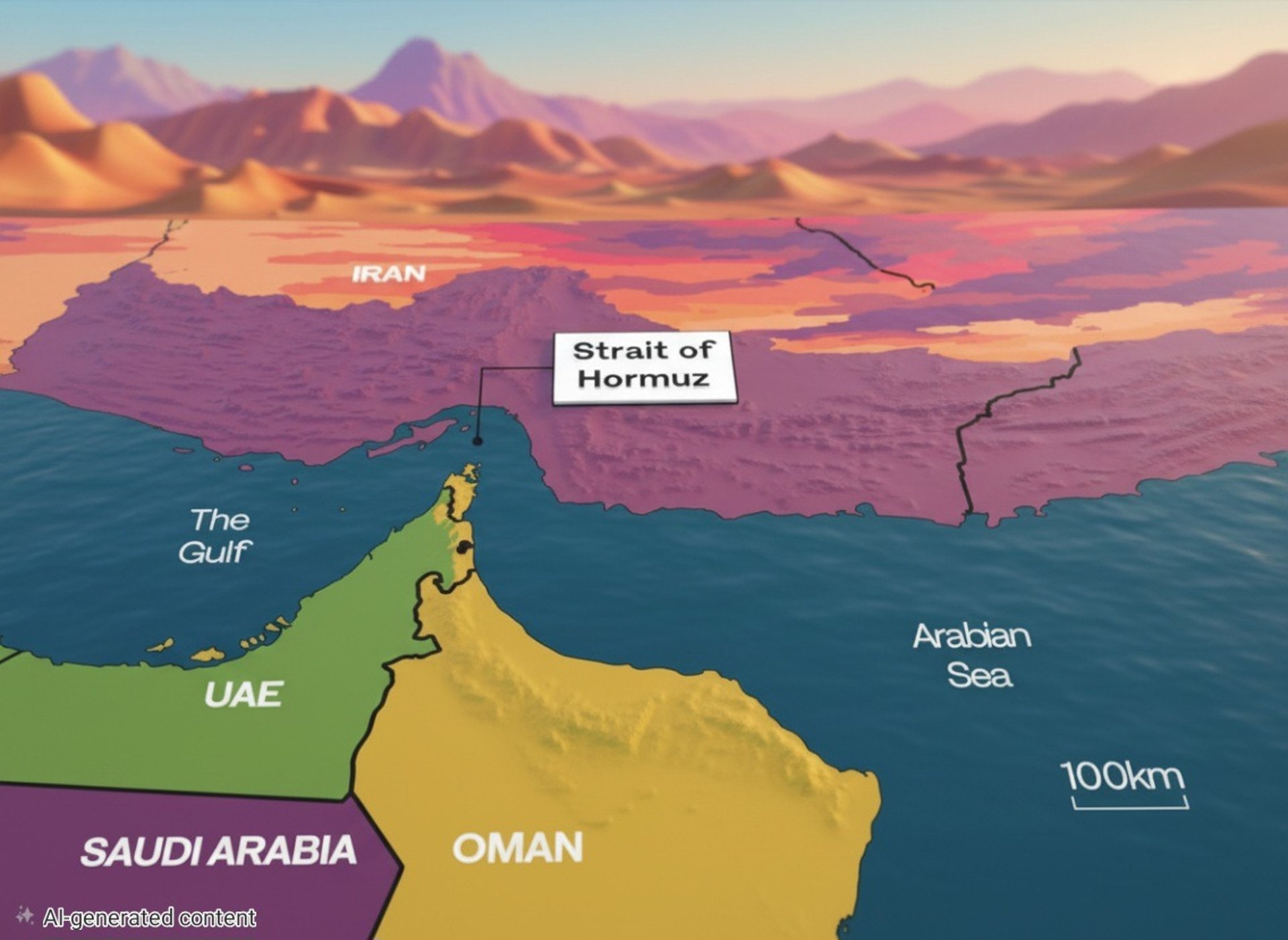
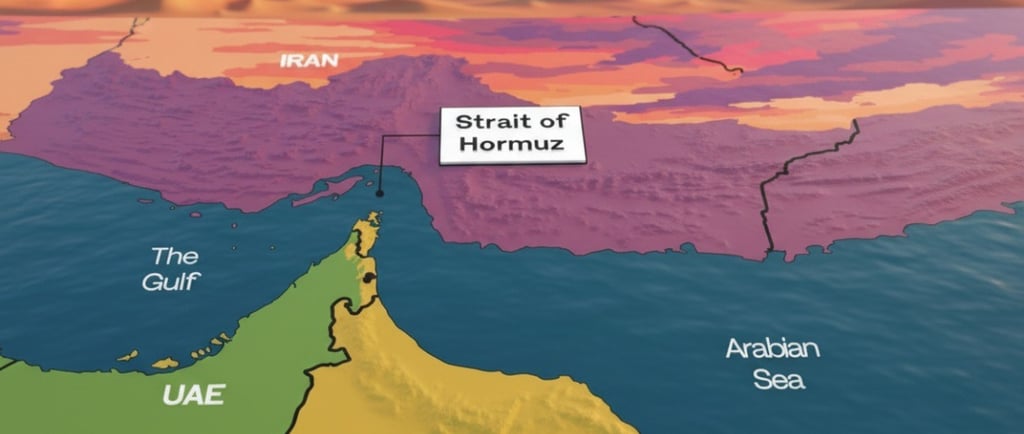
The Strait of Hormuz is a 21‑mile wide channel between the Persian Gulf and the Gulf of Oman. It’s just a pinprick on the map, but it carries roughly 20 million barrels per day of crude oil and petroleum products—about one‑fifth of the world’s liquid‑fuel consumption. On top of that, the Strait funnels a huge share of global LNG (liquefied natural gas), fertilizers, and petrochemical feedstocks that factories, farms, and shipping lines around the world depend on.
When the Strait is safe, oil flows cheaply.
When the Strait is threatened, you pay.
Why the Conflict Is Hitting Your Wallet
Even if the Strait never fully “closes,” the threat of disruption spikes global oil prices, and that trickles down to U.S. consumers in three main ways:
Higher gas and diesel prices
National average gasoline has already climbed to around $4.10 per gallon, with some regions (like California) seeing prices near $6.00.
Analysts warn that if the crisis drags on, national averages could top $5.00 per gallon, which would shave tens of billions of dollars from household spending.
Higher inflation on everyday goods
Oil is the hidden backbone of shipping, plastics, packaging, fertilizers, and even some medicines. When sea lanes tighten, shipping costs go up, and those costs are passed to you through:
Electronics
Pharmaceuticals
Packaged food and beverages
Cleaning supplies and detergents
Experts note that the true shock may not hit until months later, as higher energy costs ripple through the global supply chain.
An “invisible tax” on lower‑income households
Richer Americans can mostly absorb a jump in gas prices; poorer and rural households cannot.
Since low‑income households already spend a much larger share of income on fuel and utilities, a spike in oil prices acts like a regressive tax, shrinking grocery budgets, school‑activity funds, and emergency savings.
What You Should Expect in the Next 12–24 Months
Nobody can predict exact dollar amounts, but several independent analyses point to three likely trends:
Gas prices hovering above long‑term averages
Expect $4–$5 per gallon to become the “new normal” in many U.S. regions, especially when summer driving demand peaks.
Moderate inflation on imported goods
Shipping costs are rising from Asia through tightened routes and rerouted ships, so imported electronics, clothing, and household goods will see small but steady price creep.
More frequent “fuel surcharges” on services
Already, companies like Amazon have introduced fuel‑based delivery surcharges; trucking, rideshare, and local delivery services will likely follow. In plain language: your money will buy less over time, particularly for anything that travels by ship, plane, or truck.
Practical Steps to Protect Your Household
You cannot stop warships in the Middle East, but you can restructure your spending, habits, and assets to absorb the shock instead of being flattened by it.
Rewrite your transportation habits
Maximize fuel efficiency
Keep tires properly inflated, remove unnecessary roof racks, and combine errands into one trip. Small changes can save 10–20% in fuel use.
Consider an electric or hybrid alternative
If you live in Florida (or a warm‑climate state), an electric bike or trike can cover short‑to‑medium trips at a fraction of gas‑car costs.
Carpool and telecommute when possible
Even one extra day of remote work per week can cut your monthly gas bill by 20–30%.
Rethink your energy and utility use
Audit your home energy use
Switch to LED bulbs, insulate doors/windows, and use programmable thermostats or fans under ceiling fans to reduce AC load.
Think long‑term about solar + storage
If you own a home or plan to, installing solar panels plus battery backup insulates you from future spikes in electricity and heating fuel.
Adjust your spending on food and essentials
Buy in bulk when possible
Pantry staples (rice, beans, pasta, oils) and toiletries are less vulnerable to sudden spikes than fresh produce or gas.
Grow your own food, even a little
A small permaculture or container garden can offset 10–20% of your produce bill while reducing dependence on long‑haul shipping.
Protect your savings and income
Build a liquid “fuel‑shock” fund
Aim for 1–3 months of extra cash set aside purely for spikes (gas, unexpected repairs, medical‑related travel).
Diversify income sources
Use skills in content creation, e‑books, or digital services to build a side income stream that is less tied to physical fuel prices.
Shift your mindset from “normal” to “resilient”
Accept that volatility is the new baseline
Wars, climate shocks, and logistics bottlenecks will keep pushing prices up and down.
Plan for “what‑if” scenarios
Run simple mental simulations:
What if gas hits $6?
What if Amazon‑style delivery fees double?
Then adjust your lifestyle now, before the crisis actually hits you.
What This Means for SeedBank369 Creators and Subscribers
For SeedBank369 readers focused on survival gardening, homesteading, and alternative energy:
Local food and energy security become your primary hedge.
The more you can grow, store, preserve, and power yourself locally, the less vulnerable you are to global oil shocks.
Seed and tool stockpiling is not just “preparedness” — it’s economic strategy.
If shipping costs rise and imported fertilizers become more expensive, open‑pollinated seeds, compost systems, and natural soil amendments become your hidden advantage.
Community‑based barter and sharing networks
Swap tools, seeds, and skills with neighbors. When cash is tight, a network of mutual help can buffer the sting of inflation better than any bank account.
Final Takeaway
The Strait of Hormuz conflict is not a distant war. It is a slow‑motion tax on your gasoline, your electricity, your shipping‑based goods, and your discretionary income. But by reducing dependence on long‑haul fuel, stabilizing your energy use, and strengthening local food and skills networks, you can turn what feels like a global crisis into a personal resilience upgrade.
SEEDBANK369 Publication
May 2026 – For those who prepare, not panic. LOVE PEACE RECIPROCITY
SOCIAL MEDIA
© 2026. All rights reserved. SEEDBANK369
Instagram-YouTube-Blue Sky
SEEDBANK 369 POLICY INFO