
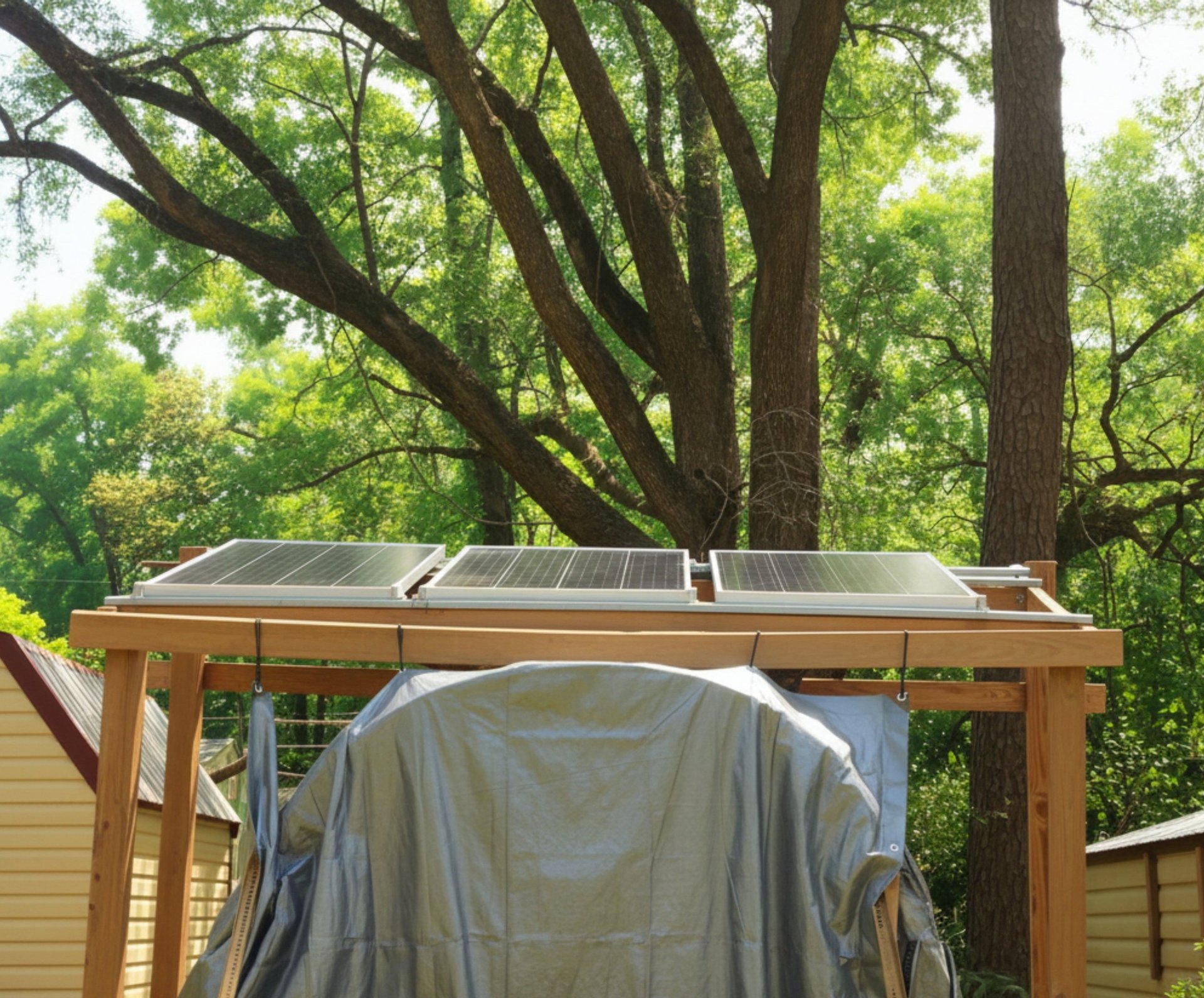
Solar Journal 1
I want to share my basic findings through my pratical applications of solar energy. I want you to empowered. Things are chaing fast. Maybe my journal can help you make informed decisions.
TECHNOLOGYPREPAREDNESSGARDEN/HOME
C. Colson
6/17/20263 min read


Solar Journal (1):
What do you need?
Solar energy has moved from a niche technology to a practical, accessible way for everyday people to take control of their power. Whether you are trying to reduce your electricity bill, gain energy independence, or explore a long-term investment, understanding how solar works in real-world conditions is key.
My own journey started with a basic inverter and converter setup and evolved into a 24V hybrid MPPT inverter system. Like many beginners, I learned quickly that solar is not just about panels—it is about how all the pieces work together to meet your specific needs.
How Solar Systems Actually Work
At a simple level, solar panels collect energy from sunlight and convert it into electricity. That energy can either be used immediately, stored in batteries, or sent back to the grid.
Modern setups often include:
- Solar panels (energy generation)
- MPPT charge controllers (optimize power harvest)
- Batteries (energy storage for night use)
- Inverters (convert DC to usable AC power)
Hybrid inverters, especially with MPPT (Maximum Power Point Tracking), are a major innovation. They allow you to use solar during the day, store excess energy, and then use that stored power at night—reducing reliance on the grid.
Key Innovations Driving Solar Forward
Solar technology has improved rapidly in recent years:
- Higher-efficiency panels: More power from the same roof space
- Lithium battery storage: Longer lifespan and faster charging compared to lead-acid
- Hybrid inverters: Seamless switching between solar, battery, and grid
- Smart monitoring: Apps that show real-time energy production and usage
- Modular systems: Start small and expand over time
These innovations have made solar more flexible and cost-effective than ever.
Pros of Solar Energy
- Lower electricity bills: Use stored solar energy during peak pricing hours
- Energy independence: Less reliance on utility companies
- Scalability: Systems can grow as your needs grow
- Environmental impact: Clean, renewable energy source
- Backup capability: Power during outages (with battery systems)
Cons and Real-World Challenges
Solar is not perfect, and understanding the downsides is critical:
- Upfront cost: Initial investment can be significant
- Learning curve: System design and setup require some technical understanding
- Weather dependence: Cloudy days reduce production
- Battery cost: Storage is still one of the most expensive components
- Maintenance: Batteries and components degrade over time
Needs vs Wants: Avoid Overspending
One of the biggest mistakes beginners make is overbuilding their system.
Start by asking:
- What do I actually need to power?
- How many kilowatt-hours do I use daily?
- Do I need full-home backup or just essential loads?
Example:
If your goal is to run lights, a fridge, and charge devices at night, you do not need a full-scale system designed to power central air conditioning.
Focus on essentials first. You can always expand later.
Aptitude vs Beginner Concerns
Solar can be DIY-friendly, but honesty about your skill level matters.
If you are technically inclined:
- You can save money by building your own system
- You will better understand troubleshooting and optimization
If you are a beginner:
- Start with smaller systems
- Use pre-configured kits or hybrid inverters
- Learn gradually before scaling up
Safety is critical. Improper wiring or system design can damage equipment or create hazards.
Practical Applications That Make Sense
Solar works best when applied strategically:
- Offset nighttime usage using daytime storage
- Power critical loads during outages
- Reduce peak-time grid consumption
- Supplement—not necessarily replace—grid power
A hybrid approach (solar + grid) is often the most cost-effective entry point.
Cost-Effective Entry Strategy
Instead of going “all in,” consider a phased approach:
1. Start with a small system (panels + inverter)
2. Add battery storage later
3. Expand panel capacity as budget allows
This approach reduces risk and allows you to learn as you go.
What to Watch Out For
- Overpriced systems marketed as “turnkey solutions”
- Mismatched components (panels, inverter, battery incompatibility)
- Unrealistic ROI promises
- Poor battery quality or undersized storage
- Lack of monitoring tools
Always verify specifications and compatibility before purchasing.
The Future of Solar Energy
Solar is becoming more integrated, intelligent, and affordable:
- Better battery technology with longer lifespans
- Smarter energy management systems
- Increased grid interaction (selling excess energy)
- Continued cost reductions
As energy prices fluctuate, solar offers a level of control that traditional utilities cannot.
Final Thoughts
Solar energy is not just about technology—it is about strategy. The goal is not to eliminate your electric bill overnight, but to reduce it intelligently over time. I opted to be able to cover my basic needs. The first year back in Tallahassee. A hurricane knocked out power for 2 weeks. That experience motivated me, to say the least.
Starting small, understanding your needs, and scaling wisely can turn solar from a complex project into a powerful financial and practical tool. The peace of mind. The value is the consideration. Think it out. Weigh your priorities and go for it.


SOCIAL MEDIA
© 2026. All rights reserved. SEEDBANK369
Instagram-YouTube-Blue Sky
SEEDBANK 369 POLICY INFO