
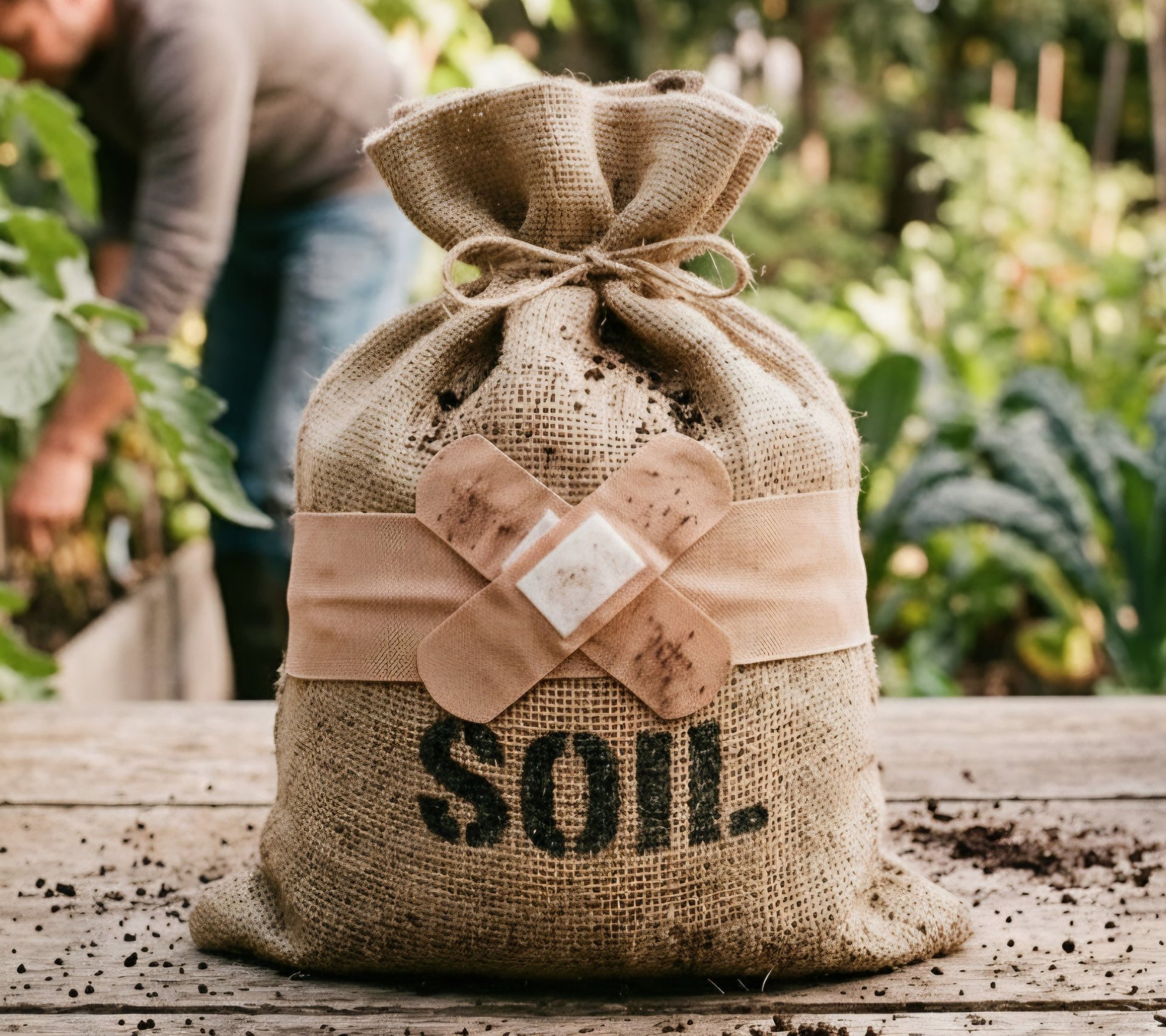
Importance of Soil Health for Planting Success
Soil health is crucial for successful planting and can significantly impact crop yields. Proper soil amendment and preparation ensure your soil is ready for planting, making the difference between average and exceptional harvests.
GARDEN/HOME
C. Colson
6/6/20263 min read
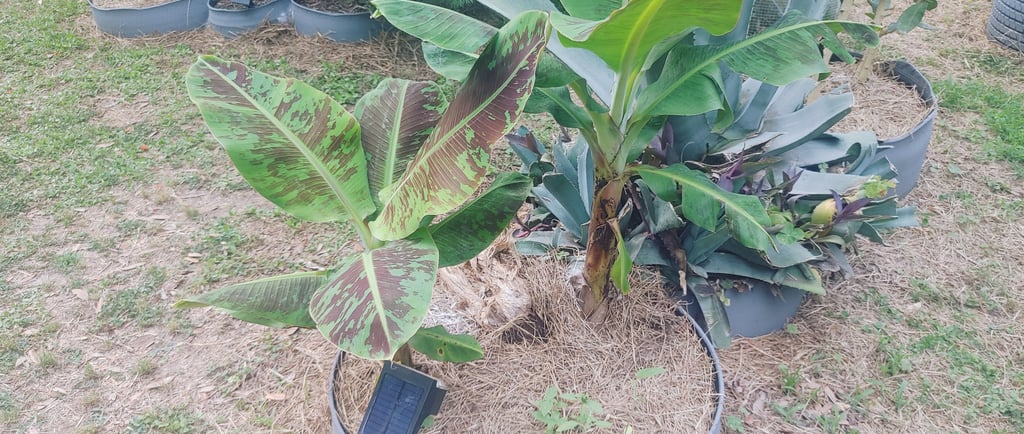
Soil health matters
Because living, well-structured soil stores water, cycles nutrients, supports roots, and resists erosion and compaction better than depleted soil [1][2]. The best long-term approach is to build organic matter, protect the soil surface, reduce disturbance, and keep biology active with compost, cover crops, residues, and biological helpers like worms [1][3][4].
Why soil health matters
Healthy soil functions as a system: its physical structure holds air and water, its chemistry supplies nutrients, and its biology breaks down organic material and makes nutrients available to plants [2]. When soil is weak, you usually see poorer infiltration, more runoff, lower fertility, more crusting or compaction, and greater plant stress during heat or drought [1][5]. In practical terms, good soil health means less fertilizer waste, fewer irrigation problems, and more resilient crops or gardens [1][6].
Ancient solutions
Across antiquity, farmers already used several core soil-building methods: manure, crop residues, green manures, crop rotation, fallowing, limestone, ash, and seaweed in some regions [7][8]. Ancient systems also relied on multiple cropping and rotations to avoid exhausting the same field repeatedly [8]. The underlying idea was simple: return organic material to the land, then give soil time or diversity to recover [7][8].
Modern amendments
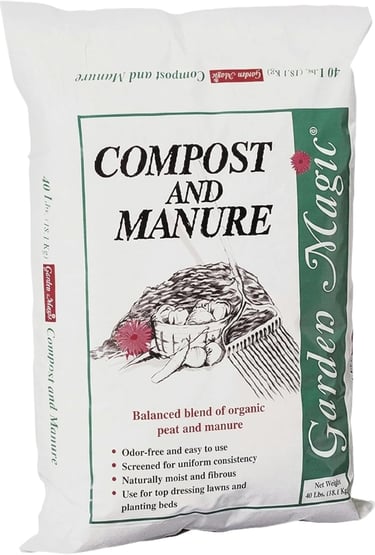
Today the most common amendments are compost, well-rotted manure, mulch, worm castings, cover crops, and sometimes biochar [1][9][3][10]. Compost and worm castings add organic matter and nutrients, while biochar can help retain water and nutrients, especially when charged with compost first [11][10][5]. For urban or compacted soils, thick mulch rings and quality compost are widely used to raise organic matter and buffer pH or nutrient problems [9].
How to amend soil
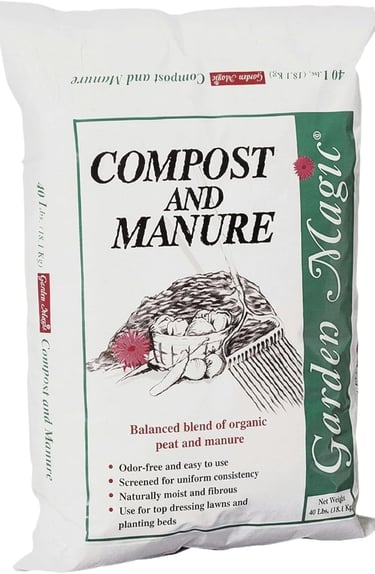
Start with a soil test so you know whether the problem is pH, low organic matter, nutrient imbalance, salinity, or compaction [12][6]. Then match the amendment to the problem: compost for general rebuilding, worm castings for biologically active topdressing, biochar for retention and structure, manure for fertility if properly cured, and lime or sulfur only when test results call for them [12][5]. In practice, many gardeners mix amendments into the top layer, or top-dress beds with 2 to 3 inches of organic matter and let watering and biology work them downward over time [3][13].
Biological amendments
Worms are one of the most useful biological amendments because they aerate soil, mix organic matter, and leave nutrient-rich castings behind [14][15]. Earthworms also serve as a simple soil-health indicator; more worms usually means better structure, moisture movement, and biological activity [4]. You can encourage worms by reducing tillage, keeping soil covered, adding compost, and maintaining steady organic matter inputs [16][15].
Maintenance over time
Soil health is maintained, not fixed once. The recurring habits are to keep soil covered, rotate crops, reduce tillage, add organic matter regularly, and avoid overworking wet soil [1][2][3]. Field or garden scouting helps catch nutrient deficiencies, disease pressure, or compaction early, before problems spread [6]. A useful routine is: test soil, amend in spring or fall, mulch or cover-crop between main plantings, and reassess each season [12][3].
Things to watch for
Watch for signs of over-amending, especially excess salts, poor drainage, or pH drifting too high after repeated ash, manure, or some biochars [5]. Use only cured compost or composted manure, because fresh material can carry pathogens, weed seed, or excess ammonia [3]. Also watch for compaction, bare soil, crusting, runoff, and very low worm activity, since these usually point to declining soil function [2][4].
Simple practical plan
A good all-purpose soil program is: test the soil, add compost, use mulch or cover crops, incorporate worm castings where plants need a boost, and add biochar only after charging it with compost or manure [12][10][5]. If the soil is clay-heavy, focus on compost and structure-building; if it is sandy, prioritize organic matter that improves water retention [12]. For long-term success, think in seasons, not weeks: the goal is to feed soil life first, and plants second [1][2].
LOVE-PEACE-RECIPROCITY
SOCIAL MEDIA
© 2026. All rights reserved. SEEDBANK369
Instagram-YouTube-Blue Sky
SEEDBANK 369 POLICY INFO