Remembering Smokey Hollow/"Tallahassee neighborhoods" A part of Tallahassee's Soul
Explore the rich history of Smokey Hollow, one of Tallahassee's legendary neighborhoods. Discover how this iconic area contributed to the cultural tapestry of Tallahassee, FL. Tallahassee neighborhoods
TALLAHASSEEHISTORY
C. Colson
5/13/20263 min read
Remembering Tallahassee’s Lost Neighborhood
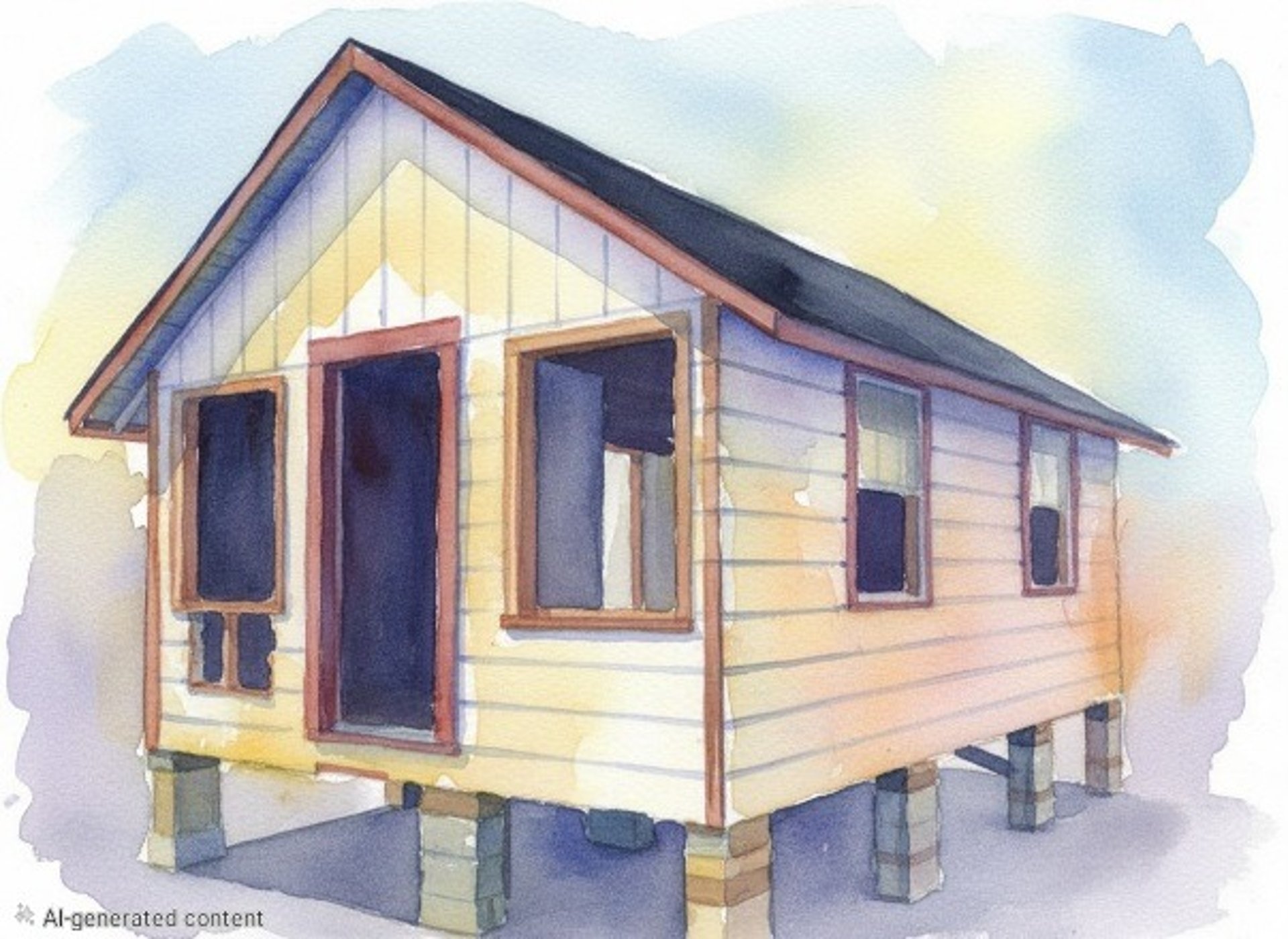
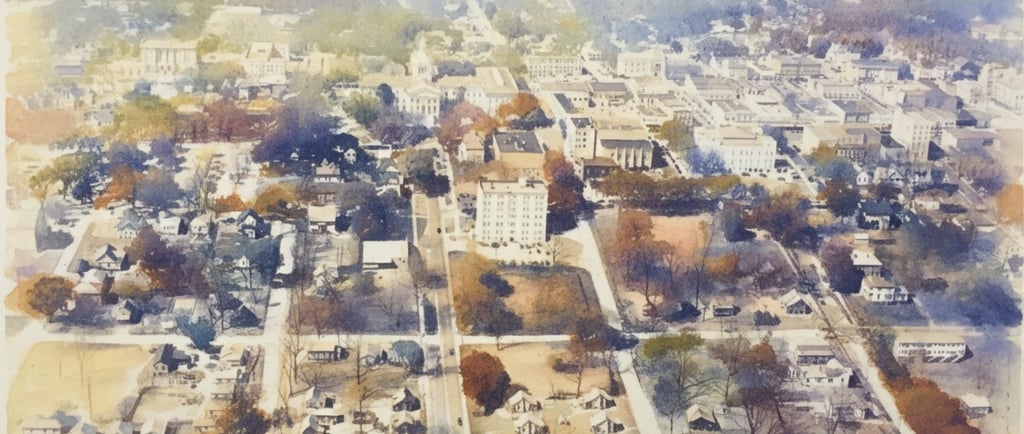
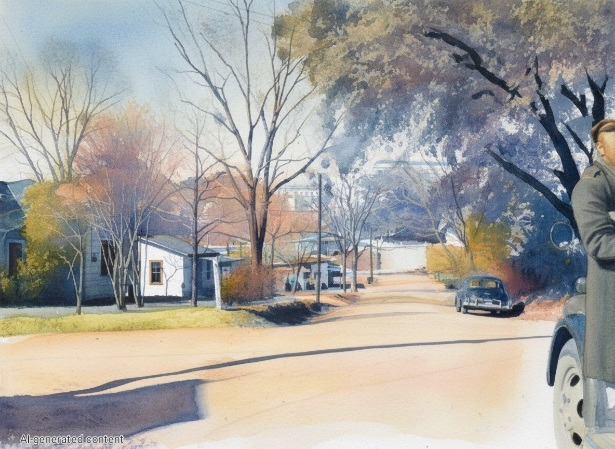
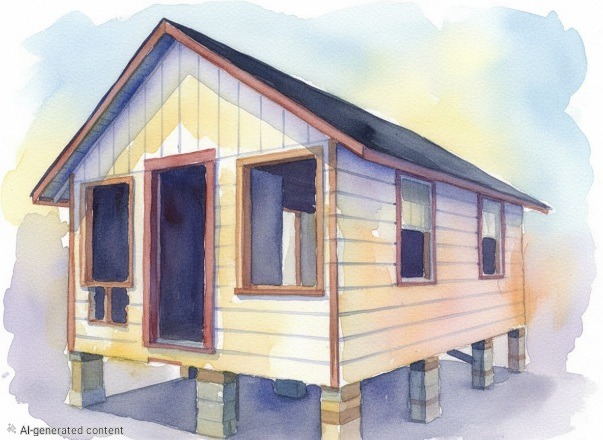
Smokey Hollow was a tight-knit African American neighborhood that grew up in the late 19th and early 20th centuries just east of downtown Tallahassee, in the low-lying dip that today is part of Cascades Park and the state office complex. The community included dozens of homes — many shotgun-style houses and modest bungalows — along with churches, businesses, a barbershop, schools, and social networks that kept the neighborhood lively and resilient for decades
Life and culture
A working, proud community: Residents of Smokey Hollow worked in local trades, at nearby industries, and in New Deal-era projects; families gardened, socialized on shady porches, and supported one another through informal networks of mutual aid and extended kinship
Cultural contributions: The neighborhood produced notable figures and talents — musicians and cultural leaders who went on to influence jazz, business, and civic life beyond Tallahassee .
Community institutions: Churches, a barber shop, small shops, and neighborhood gatherings anchored daily life; the barbershop in particular served as a social and civic hub and is the subject of later preservation efforts
How the neighborhood was lost
Urban renewal and road building: In the 1950s–1960s a wave of “urban renewal” projects, combined with the construction of Apalachee Parkway and expansion of state office space, cut through and displaced much of the Smokey Hollow area. Large parcels of predominantly renter-occupied land were targeted for redevelopment and state acquisition, and residents were forced to vacate by eminent domain and other pressures.
The bureaucratic and racial context: Like many Black communities in mid-century America, Smokey Hollow’s lack of property ownership, coupled with planning decisions that prioritized state and commercial needs, made it vulnerable; the story of its removal reflects broader patterns of displacement experienced by minority neighborhoods nationwide during that era
Physical erasure: By the late 1960s most of the homes and businesses were bulldozed; in later decades the area was reshaped as state facilities, parking, and parkland, leaving only fragments and memories of the once-thriving neighborhood
Preservation and commemoration
Remembering in place: In recent years Tallahassee has recognized Smokey Hollow’s history with commemorative work in Cascades Park, including “spirit house” installations that recall the shotgun houses, and the restoration/interpretation of the neighborhood barbershop as a museum artifact to tell the neighborhood’s story
Museums and archives: Local museums and historians have collected oral histories, photographs, and artifacts to preserve Smokey Hollow’s memory, and former residents have been involved in the design of commemorative sites so the story is told by the people who lived it
Why this matters: The commemoration recognizes not only what was lost — homes, businesses, and networks — but also the community’s cultural contributions and resilience, making Smokey Hollow part of Tallahassee’s living history rather than a vanished footnote.
Here are the best local places with their current public hours and contact details for South Side and Black history research in Tallahassee.
John G. Riley Center & Museum
Address: 419 E Jefferson St, Tallahassee, FL 32301.
Phone: (850) 891-3560.
Office hours: Tuesday–Thursday, 10:00 a.m.–4:00 p.m.
Tours: Tuesday–Thursday, 10:00 a.m.–3:30 p.m., with the last tour at 3:00 p.m.
Meek-Eaton Black Archives
Address: Florida A&M University, Tallahassee, FL.
Phone: (850) 599-3020.
Public hours: Tuesday–Friday, 10:00 a.m.–4:00 p.m.; Saturday, 11:00 a.m.–3:00 p.m.
Admission: No fee.
Museum of Florida History
Address: 500 S Bronough St, Tallahassee, FL 32399.
Phone: (850) 245-6400.
Hours: Monday–Friday, 9:00 a.m.–4:30 p.m.; Saturday, 10:00 a.m.–4:30 p.m.; Sunday and holidays, noon–4:30 p.m.
Closed on Thanksgiving Day and Christmas Day.
Tallahassee Museum
Address: 3945 Museum Dr, Tallahassee, FL 32310-6325.
Phone: 850-575-8684.
Hours: Monday–Saturday, 9:00 a.m.–5:00 p.m.; Sunday, 11:00 a.m.–5:00 p.m.
SOCIAL MEDIA
© 2026. All rights reserved. SEEDBANK369
Instagram-YouTube-Blue Sky
SEEDBANK 369 POLICY INFO