
Our Meat Supply Is at Risk!: The Challenges of Less Oversight & What You Can Do
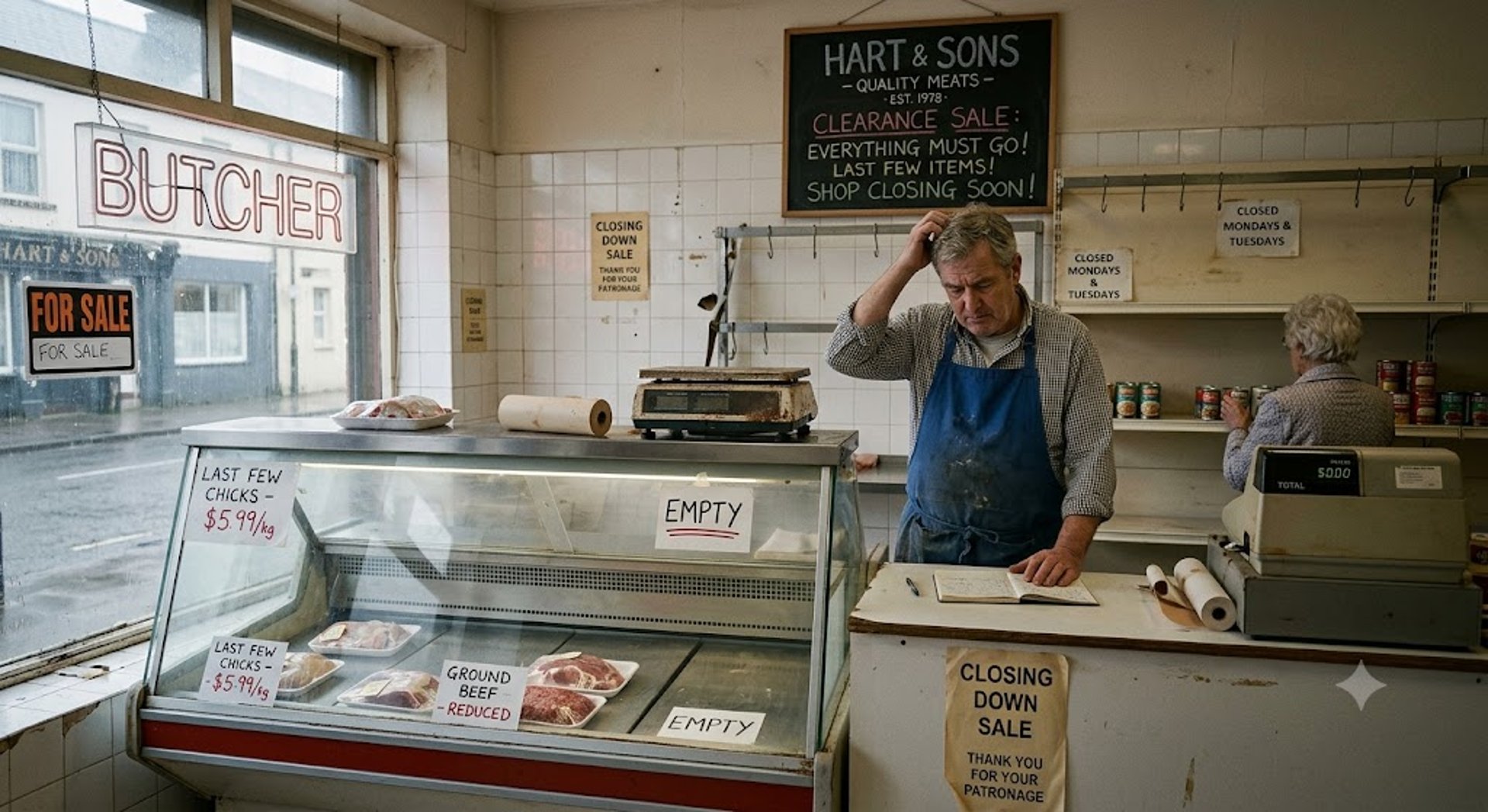
Our food supply is in jeopardy. The meat supply is under stress. Here are things to consider and prepare for. Attention this is serious, pay close attention to the meat. There are small disruptions in quality and the supply chain that are concerning. Our Meat supply is at risk.
HEALTHBODYPREPAREDNESSFOOD
C. Colson
6/12/20263 min read

Our Meat Supply Is at Risk: The Challenges of Less Oversight & What You Can Do
I'm primarily a fish and chicken type of guy. On occasion, I do like a bit of red meat. I'm very particular about how my food has been brought to the table. How it was slaughtered and stored. I believe in needs over wants, so my consumption of bovine or any other mammal is always cautionary, picky if you will. I still don't want the meat I consume to be played with. Steroids, preservatives and glamor techniques to make rancid meat look edible. Today I just want to touch on a few issues we are facing with our food supply, in this case livestock.
The meat we eat every day is facing a crisis. In 2026, the U.S. meat supply is struggling with labor shortages, disease outbreaks, climate-related feed disruptions, and supply chain breakdowns [1]. At the same time, the USDA is rolling back regulations—updating line speed rules for poultry and pork plants and removing what they call "outdated bottlenecks" [2]. The result? Higher prices, less availability, and potential food safety risks. But you don't have to wait for the system to fix itself. Here's what's happening and how you can protect your family with smart countermeasures.
The Problem: Less Oversight, More Risk
1. Faster Line Speeds = Less Inspection Time
The USDA's new proposals allow poultry and pork facilities to operate at faster processing speeds. While they claim inspectors still have full oversight, critics argue that faster lines mean inspectors have less time to catch contamination, disease, or safety violations[2].
2. Food Safety Risks Are Rising
Regulatory compliance is the "cornerstone of safety in the meat industry"—it safeguards public health and maintains consumer confidence [3]. When regulations loosen, the risk of E. coli, Salmonella, and other contaminants increases.
3. The 2026 Meat Shortage
The shortage isn't just about regulations. It's driven by:
- Labor shortages at processing plants [1]
- Disease outbreaks in cattle (cattle inventory hit a 61-year low in 2023) [1]
- Climate disruptions raising feed costs and pushing beef prices to record highs [1][4]
4. Global Pressure
Globally, meat supply quadrupled over six decades, but environmental pressures—deforestation, greenhouse emissions, and antimicrobial resistance—are worsening [5]. High-income countries rely on strict food safety regulations, while developing nations focus on production. When oversight decreases, the entire system becomes fragile.
Countermeasures: What You Can Do Right Now
You don't have to be a victim of this system. Here are practical, actionable steps to protect your family and build resilience:
✅ 1. Reduce Meat Consumption & Embrace Plant-Based Alternatives
Since you're already interested in plant-based wellness, this is your perfect opportunity:
- Swap beef for legumes, beans, lentils, and tofu—high in protein and lower in environmental impact
- Try mushroom-based meats or peptide-rich plant proteins** for cognitive and health benefits
- Cultivated meat (lab-grown) offers a sustainable option, though it's still emerging [6] (I personally hate this option)
Why it works: Plant-based diets reduce your exposure to contaminated meat, lower your carbon footprint, and support long-term health.
✅ 2. Buy from Local:
State-Inspected Farmers State-inspected meat facilities must comply with regulations "at least equal to" federal standards [7]. Small local processors often face "burdensome regulatory barriers," but they also maintain higher quality control and transparency [8].
Action steps:>>>
- Visit local farms and ask about their inspection process
- Support small meat processors struggling with regulatory hurdles [8]
- Look for USDA-certified organic or state-inspected labels
✅ 3. Stock Up & Build a Meat Emergency Supply
If you still eat meat, prepare for shortages:
- Freeze extra meat** when prices are lower (watch for sales)
- Store canned meats (tuna, chicken, beef) for emergencies
- Invest in a vacuum sealer to extend freshness
Preparedness tip: As someone interested in home sustainability and preparedness, treat meat like any other essential—store 2–3 months' worth.
✅ 4. Support Policy Change & Advocate for Oversight
Use your content creator voice to raise awareness:
- Share posts about food safety risks from reduced oversight
- Tag USDA and urge them to maintain full inspector authority
- Promote local farmers who prioritize quality over speed
Your platform matters: As a digital marketer and blogger, you can influence thousands to demand better regulations.
✅ 5. Invest in Home Food Security
Combine meat alternatives with sustainable living practices:
- Grow your own herbs, vegetables, and microgreens for protein-rich meals
- Install solar-powered freezing systems** to store food longer
- Learn meat preservation techniques** (smoking, curing, dehydrating)
Why it works:
Home sustainability reduces dependency on fragile supply chains.
The Bottom Line
The meat supply crisis isn't just about regulations—it's about food safety, availability, and long-term sustainability. With less oversight, the risks are higher, but you have power to protect your family.
Reduce meat consumption, buy local, stock up, advocate for change, and invest in home food security.
These countermeasures aren't just smart—they're essential for preparedness in uncertain times.
Your Next Steps
👉 Share this post this post help others understand the risks and solutions.
👉 Try one plant-based swap this week and tag me—let's build a community of wellness-focused eaters.
👉 Support local farmers—they're the backbone of resilient food systems.
Stay informed. Stay prepared. Stay healthy.
LOVE-PEACE-RECIPROCITY
Sources:
USDA press release (2026) [2], FAO study on global meat supply [5], Meat Industry Outlook 2026 [1], Food safety regulatory compliance research [3]




SOCIAL MEDIA
© 2026. All rights reserved. SEEDBANK369
Instagram-YouTube-Blue Sky
SEEDBANK 369 POLICY INFO