
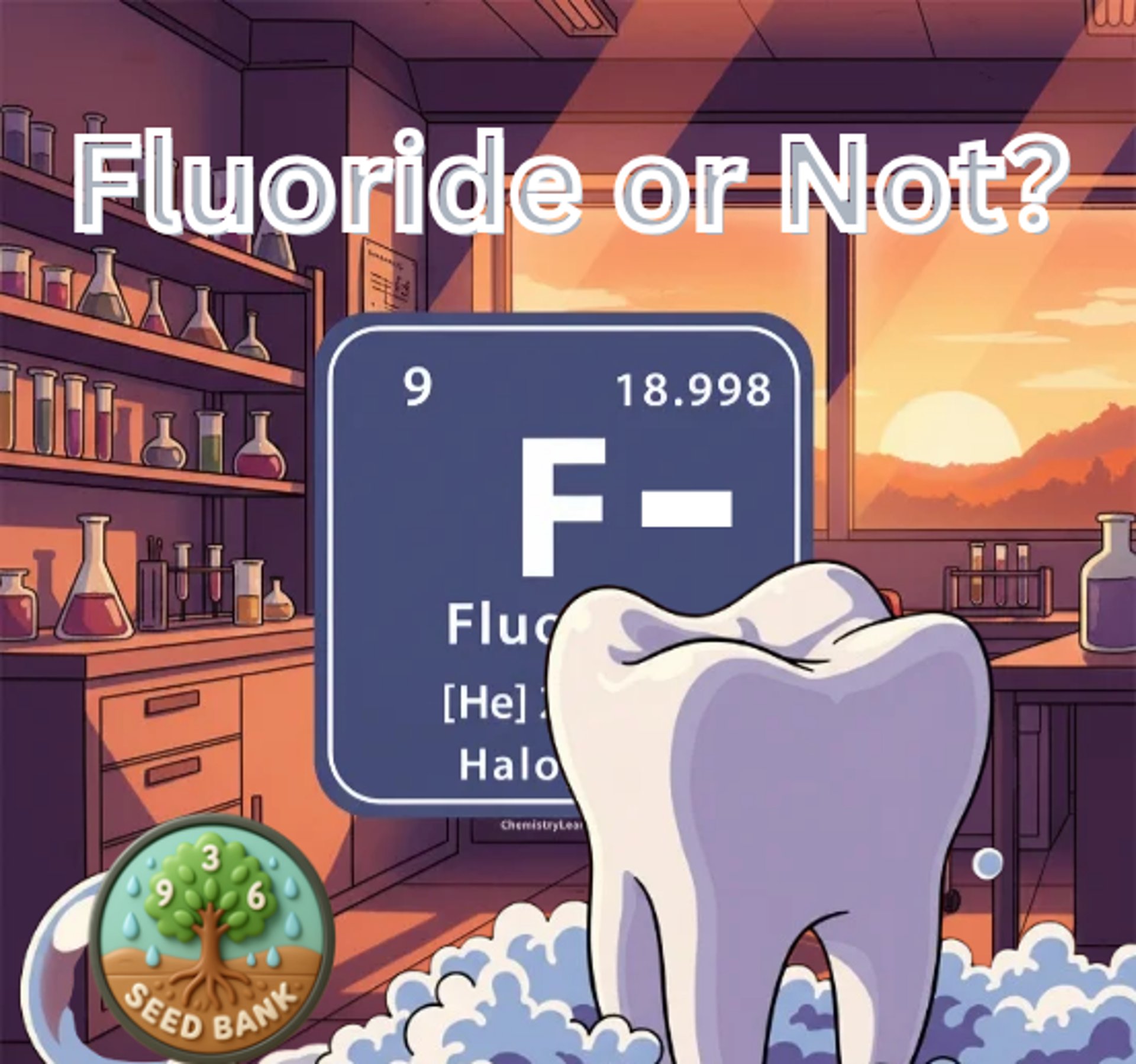
Fluoride or Not?
What is the truth about fluoride use and possible alternatives. Are we being told the truth about Fluoride? Is there something we should know? I wanted to clear up some confusion so you could make an informed decision.
HEALTHBODY
C. Colson
6/12/20263 min read
Fluoride: What It Does, Whether It Helps or Harms, and What to Use Instead
Fluoride is a mineral that mainly affects the mouth and teeth. At recommended levels, it strengthens enamel and helps prevent cavities, but too much fluoride can cause dental fluorosis and, in extreme long-term cases, skeletal fluorosis [1][2][3].
What fluoride actually does.
Fluoride helps teeth by slowing demineralization, supporting remineralization, and making enamel more resistant to acid attacks from plaque bacteria [4][5][1]. That is why fluoride toothpaste and fluoridated water are widely used in public health dentistry [6][2]. In the body, fluoride is also incorporated into bone mineral, but the strongest proven benefit is dental, not whole-body wellness [7][8]. Most people get fluoride from water, toothpaste, and dental treatments rather than from food [9][1].
Too much fluoride can cause dental fluorosis and, in extreme long-term cases, skeletal fluorosis [1][2][3].
Positive effects
The biggest benefit is fewer cavities. Public water fluoridation at the recommended level of 0.7 mg/L helps reduce tooth decay while keeping risk low [2][10][6]. Fluoride toothpaste is also effective, and dental groups continue to recommend it because it prevents early decay and protects enamel [11][1][12]. For many people, the benefit is especially important if they are cavity-prone, use orthodontic appliances, or have limited access to regular dental care [1][6].
Adverse effects
The most common downside is dental fluorosis in children, especially when too much fluoride is swallowed during tooth development [8][5][3]. This is usually mild and cosmetic, but it is still a sign of overexposure [8][13]. At much higher levels over time, fluoride can contribute to skeletal fluorosis, which affects bones and joints [8][14]. Some research has also raised concerns about possible neurodevelopmental effects at high exposure levels, but those findings are mostly tied to unusually high fluoride exposure and remain debated in broader public health guidance [15][16].
How much to use
For drinking water, the U.S. recommended level is 0.7 mg/L [2][10]. For adults, the NIH lists adequate intakes of 4 mg/day for men and 3 mg/day for women, with a tolerable upper intake level of 10 mg/day [8][4]. For children, the amount of toothpaste matters more than the total “dose.” A grain-of-rice amount is recommended for very young children, and a pea-sized amount is used for older children who can spit reliably [11][17]. The main goal is to get cavity protection without swallowing excess toothpaste [5][17].
Alternatives to fluoride
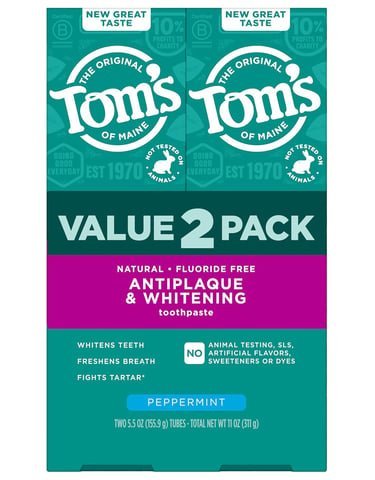
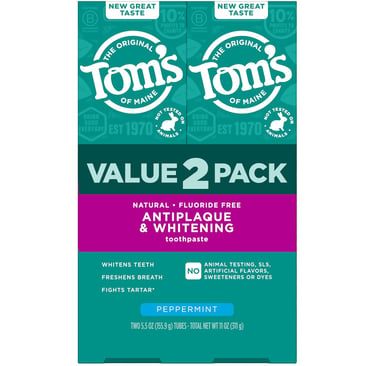
If someone does not want fluoride, there are still options that may help reduce cavity risk, though most are not as well established as fluoride [18][9]. The best-supported alternatives include xylitol, nano-hydroxyapatite, arginine, and good oral hygiene habits [18][19].
- Xylitol:A sugar alcohol used in gum and toothpaste that may help reduce cavity-causing bacteria and support enamel health [18][20].
-Nano-hydroxyapatite:** A mineral-based ingredient designed to help remineralize enamel and is used in some fluoride-free toothpastes [18].
-Arginine toothpaste: A fluoride-free option used in some formulas to help support oral pH and caries prevention [18].
-Baking soda toothpaste: Can help clean teeth and neutralize acids, though it is more of a hygiene aid than a true fluoride replacement [19].
-Coconut oil pulling: Popular in natural dentistry circles, but evidence is much weaker than for fluoride and it should not replace brushing and flossing [20].
Other practical non-fluoride strategies include brushing twice daily, flossing, lowering sugar frequency, and getting regular dental cleanings [1][6]. For people at higher cavity risk, these alternatives may help, but they usually work best as supports rather than full replacements [18][9].
Should you avoid fluoride?
For most people, the evidence does not support avoiding Fluoride entirely [1][2][4]. The most practical approach is to use fluoride in the recommended amount, especially in toothpaste, while avoiding unnecessary extra exposure such as swallowing toothpaste or taking supplements without a dentist’s advice [5][21][11].
I wanted you to know exaclty what Flouride is and how it impacts our bodies. There is so much confusion in the media and how Americas health needs are being addressed. Knowledge is power, so now you know and you can make informed decisions for yourselves and your loved ones.
Sources
- Yale School of Public Health, “Fluoride’s Impact on Health” [7].
- American Dental Association, “Fluoridation FAQs” [1].
- Harvard T.H. Chan School of Public Health, “Fluoride” [9].
- University of Rochester Medicine, “Is Fluoride Bad for You?” [5].
- NIH Office of Dietary Supplements, “Fluoride — Consumer Fact Sheet” [8].
- CDC, “Community Water Fluoridation Recommendations” [2].
- NIH ODS, “Fluoride — Health Professional Fact Sheet” [4].
- PMC review on fluoride toxicity [3].
- Review of fluoride alternatives in dental care [18].
SOCIAL MEDIA
© 2026. All rights reserved. SEEDBANK369
Instagram-YouTube-Blue Sky
SEEDBANK 369 POLICY INFO