
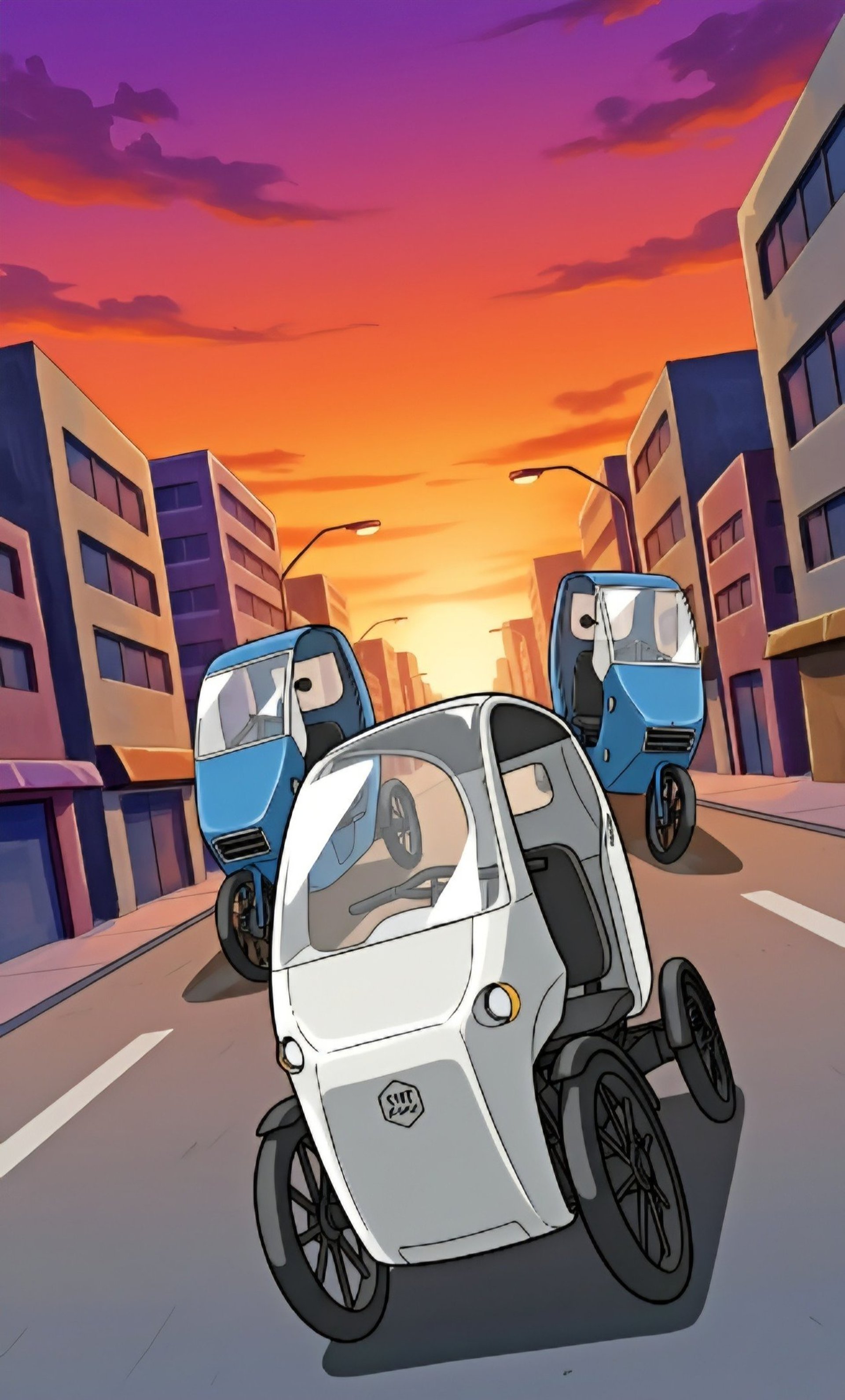
The EV Future We've Waited For Is Here
Discover the exciting future of electric vehicles and how they are transforming the automotive landscape. Explore what the future of electric cars holds and what you can do to embrace this change. EV Future
TECHNOLOGY
C. Colson
5/9/20263 min read
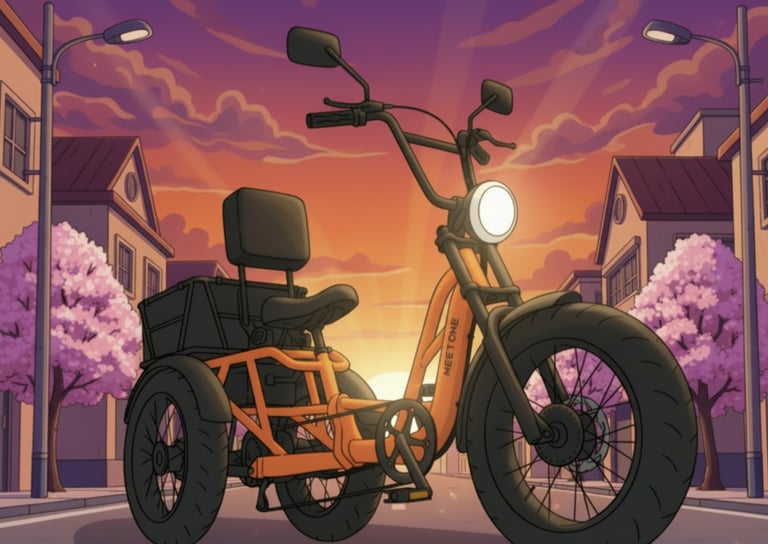
Electric bikes, E-trikes, and EVs are gaining ground because they offer cheaper day-to-day transport than gas vehicles, especially when fuel prices, repairs, and household budgets are under pressure. The trend has found real traction worldwide, with electric two- and three-wheelers expanding quickly and EV sales continuing to rise even as some markets slow down.
Why they matter in a shaky economy
When the economy feels unstable, people usually look for ways to lower recurring costs. E-bikes and E-trikes can cut fuel spending almost entirely, and their maintenance is usually simpler and cheaper than a car’s because they have fewer moving parts. That makes them attractive for commuters, delivery workers, small businesses, and families trying to stretch a budget.
They also create economic activity beyond the buyer. Demand for e-bikes supports manufacturing, repair, charging, sales, and local service jobs, and it can reduce money lost to traffic, congestion, and pollution-related costs.
Where the trend is strongest
The strongest footholds are in places where people want practical urban mobility, shorter trips, and lower operating costs. E-bikes are especially important for replacing short car trips and expanding mobility for people who might otherwise avoid cycling because of distance, hills, age, or physical limitations. EV adoption is also growing rapidly in passenger cars, buses, and two- and three-wheelers, with infrastructure expanding in many regions.
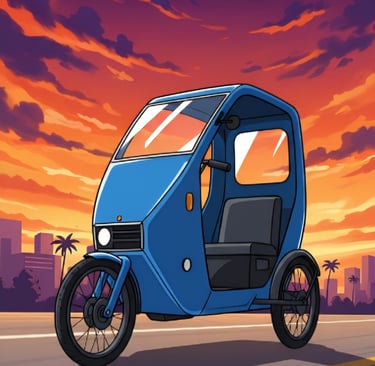
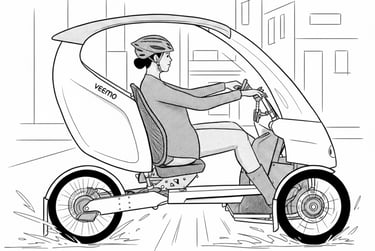
E-trikes have become especially useful in cities and for cargo or passenger hauling because they offer stability, load-carrying ability, and low running costs. That makes them a strong fit for delivery, commuting, and local commercial use.
Pros and cons
ProsCons:
E-bikes Cheap to run, easier hills, sweat-free commuting, wider accessibility Higher upfront cost, heavier than regular bikes, more complex parts E-trikes Very stable, good for cargo, comfortable, practical for businesses Bulkier, slower, can be harder to store or maneuver EV, lower tailpipe emissions, lower fuel costs, increasingly better charging networks Higher purchase price, charging time, range and infrastructure concerns
A major advantage of electric transport is predictable operating costs. A major drawback is the initial price, which can be a barrier even when the long-term savings are strong.
Innovations driving adoption
Battery technology, charging networks, smarter motor systems, and better vehicle design are making electric transport more useful and less intimidating. Public charging is expanding quickly in many regions, and fast-charging coverage is improving in places such as Europe. On the lighter-vehicle side, e-bikes are becoming more capable, more comfortable, and more integrated with public transport systems.
For e-bikes and e-trikes, innovation is not just about speed. It is also about accessibility, cargo use, safer urban travel, and making short trips less dependent on cars.
Why buy one
You may want an electric transport option if your trips are mostly local, if you want to reduce fuel dependence, or if you need a vehicle that is easier to maintain than a car. E-bikes are often the best value for solo commuting and errands, e-trikes make sense for stability and hauling, and EVs make more sense when you still need full car utility but want lower operating costs over time.
For an unstable economy, the core appeal is simple: lower daily costs, less exposure to fuel price swings, and more flexibility. In many cases, electric transport is not just a greener choice — it is a practical financial one. I am all in, and I can't wait until I'm rolling.
Social Media
SOCIAL MEDIA
© 2026. All rights reserved. SEEDBANK369
Instagram-YouTube-Blue Sky
SEEDBANK 369 POLICY INFO