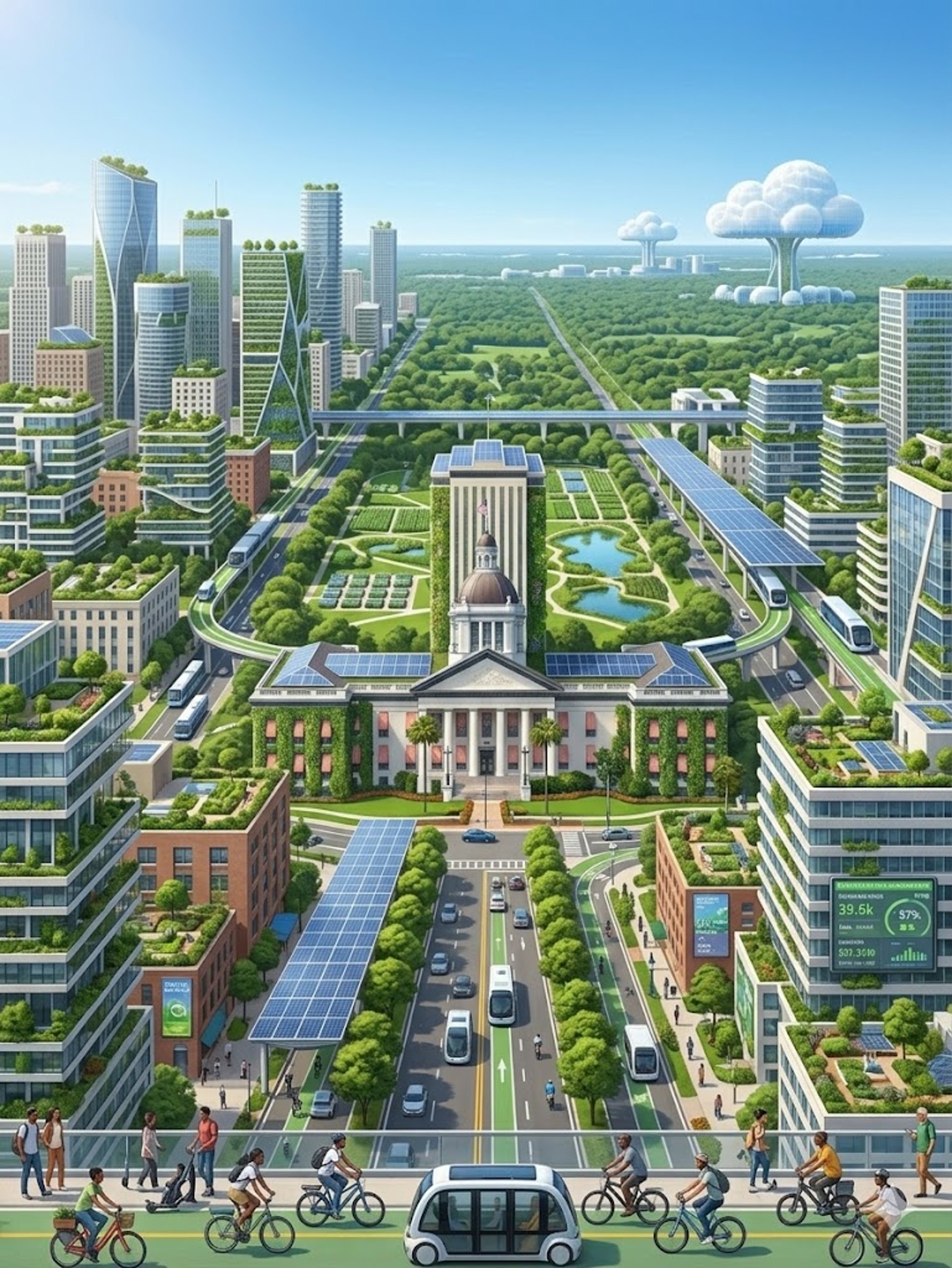
Building a Self-Sustaining Community in Tallahassee, Florida
Building a self sustaining Community in Tallahassee, Florida. This is something worth doing collectively. Each of us in our own capacity. Saving tomorrow together . Let's go Tallahassee, the future is now.
TALLAHASSEE
C. Colson
6/1/20269 min read
Building a Self-Sustaining Community in Tallahassee, Florida
In a time when people are thinking more carefully about cost of living, environmental change, and the strength of local communities, self-sustainability has become more than a personal value. It is a practical way of living that helps people, neighborhoods, and cities become more resilient. In Tallahassee, Florida, this idea matters in a special way because the city has a strong sense of civic identity, a growing interest in environmental responsibility, and a network of residents, schools, nonprofits, and local leaders who already care deeply about the future of the community.
Self-sustainability is often misunderstood as something that means doing everything alone. In reality, the opposite is true. A self-sustaining community is one where people work together to meet shared needs in smart, responsible, and lasting ways. It is about reducing waste, conserving resources, supporting local businesses, sharing knowledge, and building systems that can withstand change. In Tallahassee, where trees, water, local agriculture, community institutions, and student energy all shape daily life, sustainability can become a unifying vision for the city’s future.
Why self-sustainability matters
Self-sustainability is important because it gives people more control over their lives while also reducing pressure on the environment. When individuals and communities learn to grow some of their own food, save energy, reuse materials, and depend more on local networks, they become less vulnerable to disruption. That might mean lower utility bills, less waste, more food security, or simply stronger relationships with neighbors and community organizations.
At the larger level, sustainability helps preserve the resources people depend on every day. Clean water, healthy soil, reliable infrastructure, access to food, safe neighborhoods, and a stable economy all depend on choices made now. Tallahassee already recognizes sustainability as the community’s ability to meet present and future needs through responsible stewardship of environmental, economic, and social resources. That definition matters because it reminds us that sustainability is not only about nature — it is also about people, fairness, and long-term well-being.[talgov]
When a city invests in sustainability, it is investing in resilience. It is preparing for storms, economic shifts, rising costs, and changing needs. It is also creating a culture where people feel responsible not just for themselves, but for one another.
Community is the foundation
A community becomes self-sustaining when people understand that they are connected. No one can build a resilient city alone. Even the most practical habits — composting, gardening, conserving water, supporting local farms, or participating in neighborhood cleanups — become more powerful when shared across households and organizations. Community creates the structure that makes sustainability possible. It is the difference between one person recycling and an entire city reducing waste. It is the difference between one backyard garden and a local food network. It is the difference between isolated action and collective progress. A sustainable city needs people who are willing to teach, volunteer, organize, donate, repair, reuse, and collaborate. Tallahassee has already made community-based sustainability part of its identity. Sustainable Tallahassee is a local nonprofit dedicated to environmental, economic, and social sustainability, and its work reflects the idea that good change comes from cooperation. Leon County also supports sustainability efforts through coordinated stewardship and public engagement. These examples show that sustainability in Tallahassee is not a distant goal. It is a shared practice already taking shape through local relationships.[swanafl]
Tallahassee’s local strengths
Tallahassee has several natural and social advantages that make it a strong place for sustainable living. The city has abundant green space, a climate that supports gardening and outdoor learning, and a population that includes students, public servants, long-time residents, families, and retirees. These groups bring different strengths, and together they create a city with real potential for community-driven sustainability. One of Tallahassee’s strongest assets is its educational network. Florida State University students have worked with Sustainable Tallahassee on sustainability research and outreach, showing how academic knowledge can serve the public good. Tallahassee State College also promotes sustainability through campus initiatives that encourage conservation, reuse, and community participation. The Tallahassee Museum contributes through public education and sustainable practices that reinforce the value of protecting local resources.[sustainablecampus.fsu]
This combination of education, civic leadership, and nonprofit action matters because it makes sustainability practical. It is not just a slogan. It becomes something people can learn, model, and apply in daily life. That is how a city builds a culture of responsibility.
Community offerings that support sustainability
A truly self-sustaining community offers more than good intentions. It provides places, programs, and opportunities that help people live sustainably in real life. Tallahassee already has many such offerings, and they deserve more attention. Local farmers’ markets support food access and keep money in the local economy. Community gardens give residents a chance to grow fresh produce, learn gardening skills, and share harvests with neighbors. Recycling programs and waste reduction efforts help households participate in environmental stewardship. Volunteer cleanups, tree plantings, and neighborhood improvement projects build pride while improving public spaces. Educational programs are another important offering.
Workshops on composting, native plants, energy efficiency, water conservation, and repair skills help residents become more independent while also lowering costs. Public libraries, museums, schools, and local nonprofits can serve as hubs for these kinds of programs because they reach people across age groups and backgrounds. In a city like Tallahassee, where many residents are students or young professionals, educational sustainability programs can have a lasting ripple effect.
Transportation is another part of the picture. Safe sidewalks, bike-friendly routes, bus access, and walkable neighborhoods all contribute to sustainability by reducing dependence on cars and making the city more connected. A sustainable community is one where people can get to school, work, and services without placing unnecessary strain on the environment or their own budgets.
Practical ways residents can help
Self-sustainability begins at home, but it grows through shared action. Residents in Tallahassee can contribute in many ways:
Shop at local farms, markets, and small businesses.
Start a backyard or container garden.
Compost food scraps and reduce landfill waste.
Use reusable containers, bags, and water bottles.
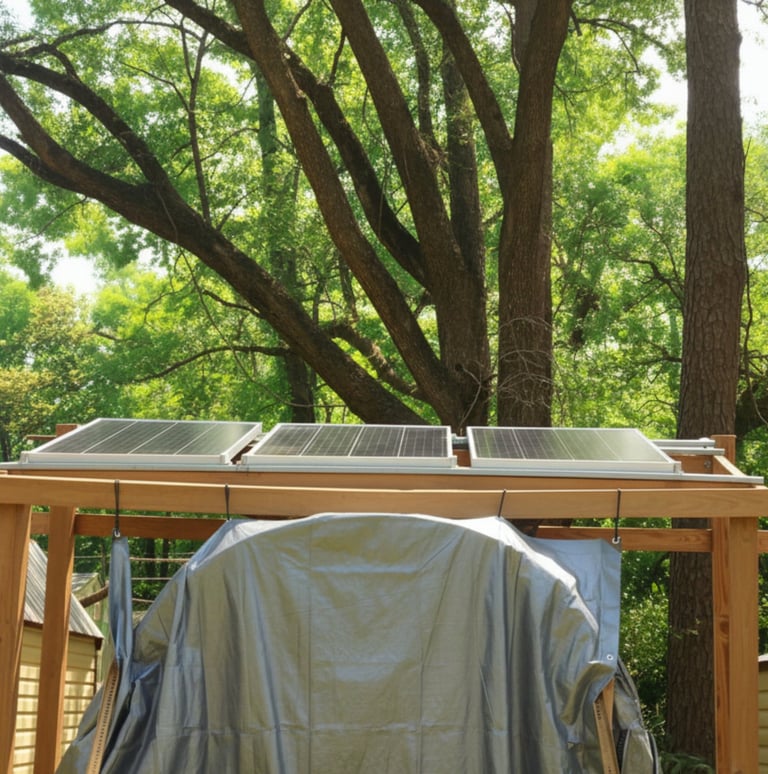
Conserve electricity and water through small daily habits.
Volunteer with environmental, food, or neighborhood organizations.
Attend local city meetings and sustainability events.
Support community education programs and school projects.
Share tools, skills, and resources with neighbors.
Plant native species that support local ecosystems.
These actions may look small on their own, but they build stronger habits and stronger relationships. When many people do them together, they help shape the culture of the city. That is what makes sustainability durable: it becomes normal, expected, and shared.
Upcoming sustainability events
Another important part of community sustainability is staying connected to events that bring people together. Tallahassee often hosts or supports activities focused on conservation, education, and community involvement. These events may include sustainability fairs, Earth Day celebrations, recycling drives, volunteer service days, campus programs, public workshops, and educational talks hosted by local organizations.
Sustainable Tallahassee has promoted community-centered sustainability events such as Sustainability Day, which encourages schools, businesses, and organizations to reflect on sustainability and put practical ideas into action. Events like this help people turn awareness into participation. They create opportunities for residents to learn what their city is doing and to discover how they can contribute.[sustainabletallahassee]
Local institutions often add to this momentum. Colleges, museums, and county offices regularly host programs that touch on energy conservation, waste reduction, environmental awareness, and civic engagement. These events are especially valuable because they make sustainability feel accessible. People do not have to be experts to join in. They simply need to show up, learn, and take part.[cms.leoncountyfl]
For a community like Tallahassee, upcoming sustainability events are not just activities on a calendar. They are moments of connection. They remind residents that sustainability is a living practice, not a one-time campaign.
How community and sustainability work together
The reason sustainability works best in a community is simple: people are more likely to maintain good habits when they see others doing the same. A neighborhood with shared gardens, cleanup efforts, and local support systems becomes more resilient than a neighborhood where everyone is acting alone. This is true for environmental health, but it is also true for social health.
When residents know their neighbors, they are more likely to share resources, check on one another, and solve problems together. When schools, nonprofits, businesses, and public agencies cooperate, they can extend their reach and create more meaningful change. When a city supports community-led sustainability, it gives people the tools to build a better future from the ground up.
Tallahassee already has the beginnings of this kind of system. Sustainable Tallahassee, Leon County, local schools, and cultural institutions all contribute to a broader culture of responsibility. The challenge now is to strengthen those connections so more residents feel included in the work.[tsc.fl]
The role of local leadership
Local leadership matters because community sustainability does not happen automatically. City leaders, nonprofit directors, educators, business owners, and neighborhood advocates all help shape what residents experience every day. When leaders make sustainability visible, accessible, and practical, it becomes easier for people to participate.
Leadership can take many forms. It can mean creating recycling access, supporting public transportation, expanding green spaces, funding educational programs, or making it easier for people to support local food systems. It can also mean listening to residents and creating opportunities for community input. A self-sustaining city is one that values both top-down support and bottom-up action.
In Tallahassee, that balance is especially important. The city’s sustainability efforts are strongest when institutions and residents work in the same direction. Public stewardship, community participation, and local education all reinforce one another. That is how sustainability becomes a shared civic value rather than a separate initiative.[talgov]
A stronger future for Tallahassee
The future of Tallahassee depends on the choices people make now. If residents continue building habits of conservation, cooperation, and local engagement, the city will become more resilient, more livable, and more connected. If schools, nonprofits, families, and city leaders continue working together, sustainability will not remain a niche topic — it will become part of the city’s identity.
A self-sustaining Tallahassee is not a place where everyone does everything alone. It is a place where people help one another thrive. It is a city where local food is supported, resources are respected, neighborhoods are engaged, and community events bring people together around a common purpose. It is a city where sustainability means both environmental care and human care. That vision is already taking shape. The challenge now is to keep building it with intention, participation, and hope.
Local contacts and resources
Here are some community resources and organizations connected to sustainability in Tallahassee:
Sustainable Tallahassee, a nonprofit focused on environmental, economic, and social sustainability.[swanafl]
Leon County Office of Sustainability, which coordinates county sustainability efforts.[cms.leoncountyfl]
City of Tallahassee sustainability resources, which define sustainability as stewardship of environmental, economic, and social resources.[talgov]
Tallahassee State College sustainability initiatives and campus programs.[tsc.fl]
Tallahassee Museum sustainability initiatives and education programs.[tallahasseemuseum]
Because phone numbers, emails, and event schedules can change, it is best to list the official organization names and web pages in your post, or I can format this into a clean “Contact and Resources” section once you provide the exact contact details you want included.
Final thought
Self-sustainability is not a trend. It is a way of building a life and a community that can endure. In Tallahassee, that means supporting one another, protecting shared resources, and investing in the systems that make the city stronger for future generations. When people commit to sustainability together, they do more than reduce waste or save money — they create a culture of care that benefits everyone. partnerships, education, and collaboration rather than through isolated action. In other words, the health of the community and the health of the environment are closely tied together.[swanafl]
Tallahassee’s local example
Tallahassee has a strong foundation for this kind of thinking. Sustainable Tallahassee focuses on environmental, economic, and social sustainability through education and collaboration, with attention to energy, transportation, water, waste, and local food. Leon County also emphasizes conservation, waste reduction, and responsible stewardship while building cooperative partnerships that invite citizens to participate. These efforts show that sustainability in Tallahassee is not just a concept; it is already part of the city’s public life.[talgov]
Local institutions reinforce that message. Florida State University students have partnered with Sustainable Tallahassee on sustainability outreach, and Tallahassee State College highlights practical actions like recycling, community gardens, and volunteer programs. The Tallahassee Museum also supports sustainability through green infrastructure, energy efficiency, and public education. Together, these examples show a city where sustainability is woven into education, conservation, and civic engagement.[sustainablecampus.fsu]
What this looks like for residents
For people living in Tallahassee, sustainability can begin with simple everyday choices. Shopping locally helps keep money in the community. Conserving water and electricity lowers household costs and protects shared resources. Volunteering, gardening, recycling, and sharing skills all strengthen the social fabric that makes neighborhoods more resilient.
These habits matter because they build both independence and connection. A person who learns to waste less and depend more wisely on local resources becomes more prepared for change. At the same time, that person contributes to a stronger Tallahassee, where community members support one another instead of relying only on distant systems.
Why it matters now
This about our future. The idea of self-sustainability is often presented as an individual responsibility, but in reality it is deeply communal. A city becomes more sustainable when its people choose cooperation over isolation, stewardship over waste, and long-term thinking over short-term convenience. Tallahassee offers a strong example of how that can work, with organizations and residents already building a culture of shared responsibility.[cms.leoncountyfl]
The future of Tallahassee depends on that mindset. A community that protects its resources, invests in its people, and supports local action is a community that can thrive through change. Self-sustainability is not only about surviving; it is about creating a place where people can live well together for generations. If you want, I can also turn this into a more casual blog post, a persuasive essay, or a version aimed at middle school, high school, or college readers.
Let's Go Tallahassee !
SOCIAL MEDIA
© 2026. All rights reserved. SEEDBANK369
Instagram-YouTube-Blue Sky
SEEDBANK 369 POLICY INFO